Smodin


Smodin is an AI-powered writing tool that is used by students, writers, and businesses all over the world.
As with other similar tools – it enables anyone to write anything, anytime. These would include things like articles, blog posts, essays, cover letters, product descriptions, reference letters, and more.
You don’t have to start from scratch, though – you can rewrite the existing article in seconds. Let AI do the hard thing for you.
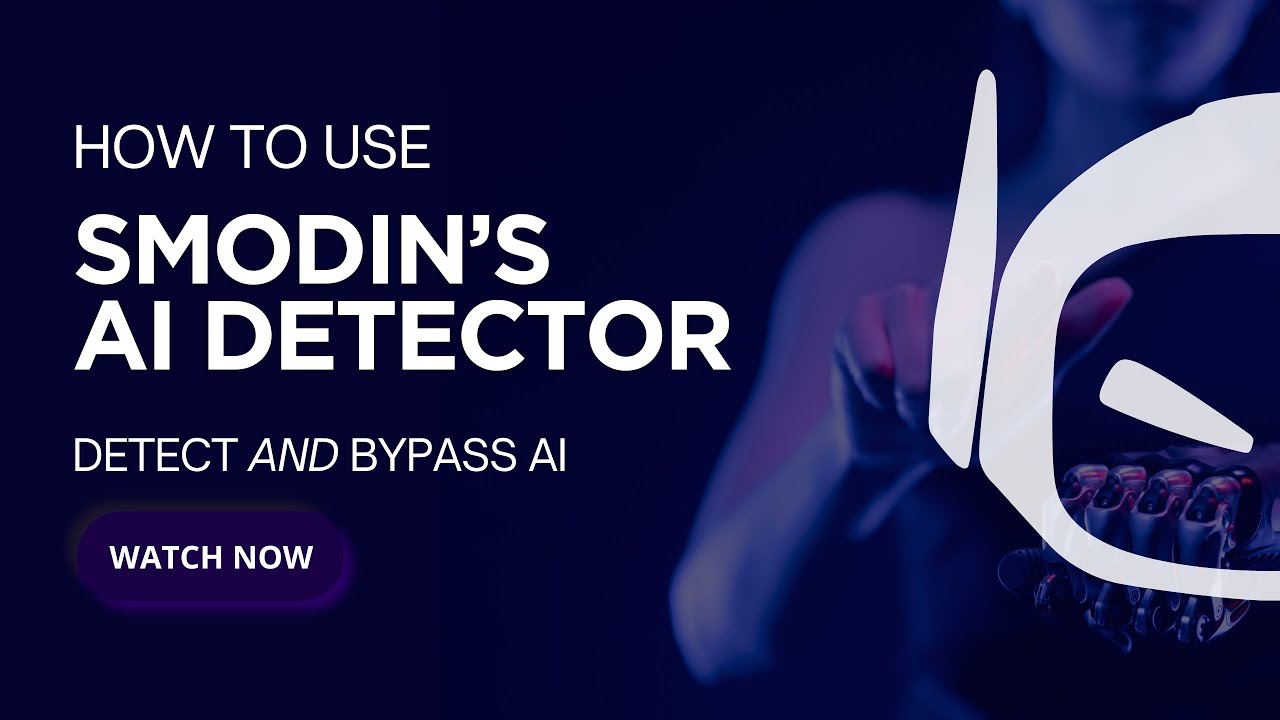
Or you can check some text for plagiarism. AI knows AI and will help teachers detect when their students rely heavily on modern tech to do the work for them.
Beyond students and teachers, Smodin can also help website operators write articles and blog posts, thus keeping the site more interesting to users and search engines.
As of October 2023, the tool has more than 3 million users, including 30k+ universities and 100k+ businesses.
Video Overview ▶️
What are the key features? ⭐
- AI writing: Smodin lets anyone write anything, anywhere - delivering high-quality, structured text complete with references in MLA and APA format. And by doing that, it also doubles as an AI-powered research tool.
- Rewriting: Create new content from existing content in seconds and remove any form of plagiarism. You can choose how unique you need the text to be, thanks to advanced algorithms. The tool supports multiple file formats, including .doc, .pdf, and more.
- Homework: This is the part students will love. Smodin helps them simplify their homework, even providing short and long explanations for all kinds of questions. The tool can even get you details of correctness, question difficulty, and more.
- Grading: On the other hand, Smodin also works for teachers, allowing them to instantly grade any writing piece with pre-made or custom rubrics. It provides details for why you received the grade you did and allows teachers to provide their students with regular feedback.
- Plagiarism detection: As mentioned above, Smodin can detect unoriginal and AI-generated content with its advanced algorithms. As someone writing the text, you'll feel confident about your text's originality and get a detailed report highlighting any similarities found.
- And more: The tool also includes a text summarizer that works in over 100 languages, a translator, a citation machine, text-to-speech and speech-to-text capabilities, a PDF parser, and more.
Who is it for? 🤔
Examples of what you can use it for 💭
- Generate articles, blog posts, and other content for your website
- Get a helping hand in doing your homework (for students)
- Check students' homework (for teachers)
- Detect plagiarism in text (for teachers and academics)
- Write better and faster with AI (all kinds of users)
Pros & Cons ⚖️
- One tool for different writing needs
- The plagiarism checker is included
- Rewriter tool produces solid text
- The free plan is really limited (not sure why it exists)