
Best AI Voice Generation & Editing Tools
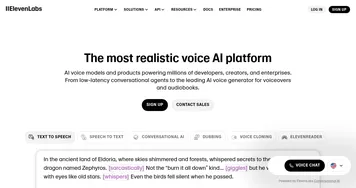
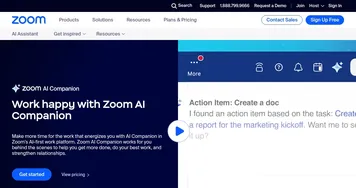
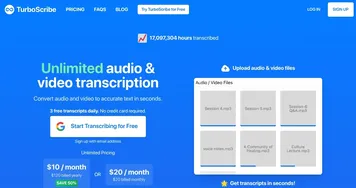
AI voice generation and editing tools turn written text into natural-sounding speech and convert recorded speech back into text. They produce realistic voiceovers in many languages and accents, clone a specific voice from a short sample, and transcribe meetings or videos automatically. The category includes text-to-speech and voice-cloning engines led by ElevenLabs, transcription tools like TurboScribe and AWS HealthScribe, and meeting assistants such as Zoom AI Companion.
Content creators, podcasters, accessibility users, and businesses use these to narrate videos, build voice agents, dub content into new languages, or get searchable transcripts of calls. When you're choosing, separate the two directions: text-to-speech is judged on how human and expressive the voice sounds, while speech-to-text is judged on transcription accuracy and speaker labeling. If you plan to clone a real person's voice, get their consent. Most reputable tools require it, and misuse carries legal risk.
















What can you do with AI tools for voice?
AI tools for voice have a range of applications and can be used for things like:-
Virtual assistants
You can create custom voices for virtual assistants or chatbots. As a result, virtual assistants sound more natural and engaging and can be further customized to match the brand or personality you want to portray. -
Audiobooks
Creating audiobooks used to involve paying someone to actually read the book. That is no longer necessarily the case, with many companies using AI tools for voice to more efficiently and cheaply create audiobooks from the written text. -
Voiceovers
There are AI voice tools that are used to create voiceovers for videos, advertisements, and/or presentations. This can be particularly useful if you need a voiceover in a different language or accent. -
Language learning apps
AI voice tools are frequently used in language learning apps. Developers of these apps use them to help users practice their listening and speaking skills. -
Video games
These days, characters in games have their own voices, which in many cases, has been generated by AI. As a result, today's games are more immersive and engaging for the players. -
Interactive Voice Response (IVR) systems
Customer hotlines were among the first to adopt modern AI tools for voice as they let them automate welcome greetings while making them sound more pleasant for the callers. -
Text-to-Speech applications
You have probably seen websites allowing users to listen to articles, which can come in very handy for people with visual impairments. Also, the same capability lets users listen to written text while driving, for instance. -
Singing
Some advanced AI voice tools can generate singing voices and are, in that sense, used for creating music and jingles without paying a human singer. -
Voice cloning
With enough data, powerful AI voice tools can create a synthetic voice that resembles a specific person's voice. This has been used to create content in the voice of a celebrity or a public figure but has also been misused by scammers - so watch out.