Frequently Asked Questions
What is the best AI video dubbing tool?
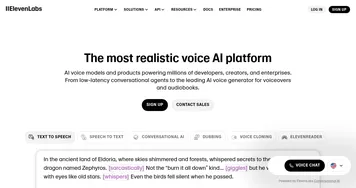
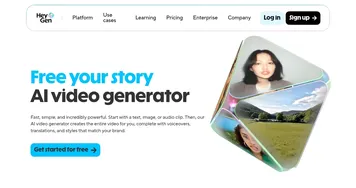
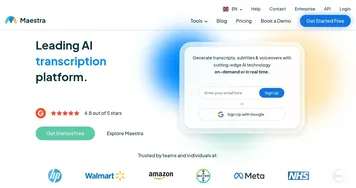
ElevenLabs and HeyGen are top choices for AI dubbing, combining accurate translation with natural voices, and HeyGen also offers lip-sync for video. Maestra and Murf are strong for subtitles, transcription, and multilingual voiceover. The best fit depends on how many languages you need and whether matching the speaker's lip movement matters.
How does AI voice dubbing work?
AI voice dubbing works in three steps: the tool transcribes the original speech, translates it into your target language, then generates a new spoken track in a natural voice. Advanced tools can keep the original speaker's voice through cloning and adjust timing or lip movement so the dub lines up with the on-screen video.
Can AI dub a video in my own voice?
Yes, some AI dubbing tools can dub your video into other languages using a clone of your own voice, so you appear to speak each language yourself. This requires creating a voice clone from your audio first, which is fine when it is your voice. Cloning someone else's voice for dubbing needs their consent.
How accurate is AI dubbing?
AI dubbing is accurate enough for many videos, courses, and marketing clips, with translation quality that keeps the meaning clear and voices that sound natural. It can still miss idioms, names, or nuance, and timing may need small adjustments. For high-stakes or sensitive content, a human review of the translation is worth the extra step.
What languages can AI dubbing tools handle?
Most AI dubbing tools support a wide range of languages, commonly covering major ones like Spanish, French, German, Portuguese, Hindi, Japanese, and Mandarin, with some handling dozens more. Coverage and quality vary by tool, so if you target a specific language, check that it is supported and listen to a sample first.