Best AI Art & Creative Design Tools

505 toolsRanked by traffic

AI art and creative design tools turn a written prompt into original visual artwork: illustrations, concept art, paintings, logos, and stylized graphics generated by image models rather than drawn by hand. The category spans painterly generators like Midjourney and Stable Diffusion, plus newer engines from Black Forest Labs and Imagen. It covers everything from finished pieces to rough concept and mood-board work.

Illustrators, designers, marketers, and hobbyists use these to sketch ideas fast, explore a dozen directions before committing, or produce art they couldn't draw themselves. When you're choosing one, look at the art styles it does naturally, how much fine control it gives you over composition, and whether its license lets you use the output commercially. Midjourney leans aesthetic and opinionated. Stable Diffusion is open and endlessly tweakable if you don't mind the learning curve.
Imagen
Imagen - icon
Imagen
Generates photorealistic images from detailed text prompts
Black Forest Labs
Black Forest Labs - icon
Black Forest Labs
Generates high-quality images from text prompts with precision and speed
Kling AI
Kling AI - icon
Kling AI
Generates cinematic videos from text or images with realistic motion
Veo
Veo - icon
Veo
Generates high-quality videos with audio from text or image prompts
Runway
Runway - icon
Runway
Generates and edits AI-powered videos from text prompts
v0.dev
v0.dev - icon
v0.dev
Generates React UI components from text prompts using AI
Midjourney
Midjourney - icon
Midjourney
Generates high-quality images from text prompts using AI.
Stable Diffusion
Stable Diffusion - icon
Stable Diffusion
Generates high-quality images from text prompts with versatile styles
DALL-E
DALL-E - icon
DALL-E
Generates detailed images from text prompts with enhanced nuance and safety features
Bing Image Creator
Bing Image Creator - icon
Bing Image Creator
Generates vivid images from text prompts instantly
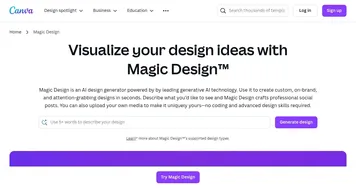
Canva Magic Design
Canva Magic Design - icon
Canva Magic Design
Generates custom, on-brand designs from text prompts or uploaded media in seconds.
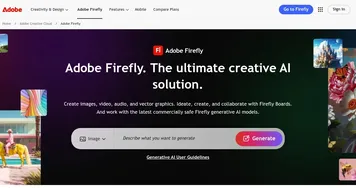
Adobe Firefly
Adobe Firefly - icon
Adobe Firefly
Generates images, videos, audio, and vectors using AI.
Adobe Express
Adobe Express - icon
Adobe Express
Creates on-brand content with AI-driven design and video tools
Shopify Logo Maker
Shopify Logo Maker - icon
Shopify Logo Maker
Creates custom, high-resolution logos for businesses quickly
Freepik AI
Freepik AI - icon
Freepik AI
Creates AI images and videos with fluid motion, detailed textures, and synced audio up to 1080p

What kind of art can I create with AI tools?

Generally speaking, there are no limits to what kind of art and images you can create with AI tools for art. For instance, you could use them to:
  • Create digital paintings and illustrations

    These tools support various styles, from realistic to abstract and even anime (like PixAI.Art). Moreover, some tools let you upload a basic sketch and then generate a completed painting.
  • Enhance photos

    Other tools let you enhance existing photos, like changing colors, adding colors to old black-and-white photos, turning photos into paintings, adding artistic effects, and more. Probably, the best example here is Adobe Firefly though you may also want to try out Creati.ai, which offers a set of different tools for enhancing photos.
  • Design

    Some AI art tools let you design art and then use it in logos, posters, banners, and other graphic design elements. Again, you may want to check Adobe Firefly for this.
  • 3D art

    Beyond 2D designs, there are tools that add a third dimension to the mix. Such models can then be used in video games, animations, and other digital media.
  • Animations

    Why settle for a static image when you can have an animated one? There are tools that will let you do this.
  • Create new paintings from old masters

    Since many image-generating models have been trained on old images, including paintings from old masters, you can use them to create new art that looks like it was created by major artists like Van Gogh, Monet, Degas, Picasso, and so on. Midjourney is amazing for this, but so is OpenAI's DALL-E.
  • Text-based art

    Text could look just as nice as a photo with some AI art tools allowing you to create fancy text from your prompts. The "Happy Birthday" notes will never be the same...
And there's more, but we invite you to check out for yourself and see what modern AI tools for art can do. We are confident you will find your own AI voice and create unique works of art with nothing but a prompt.

Frequently Asked Questions

What is the best AI art generator?
The best AI art generator depends on your style. Midjourney produces the most striking, polished images out of the box and is popular for concept art and illustration. Stable Diffusion is the most flexible and runs locally for full control, while Imagen and Black Forest Labs models excel at sharp, photoreal detail.
Can I sell or use AI-generated art commercially?
Usually yes, but it hinges on the tool's license, so read it before you sell anything. Most paid plans grant commercial rights to images you create, while some free tiers reserve them or require attribution. Copyright on purely AI-made work is also still unsettled legally in many countries.
How do I write a good AI art prompt?
A good art prompt names the subject, the style, and the mood, then adds detail about lighting, color, and composition. Think "watercolor portrait of an old fisherman, soft morning light, muted palette" rather than just "fisherman." Most generators also let you set aspect ratio and reuse a seed to keep a look consistent across images.
Are AI art tools free?
Several offer a free way in, though the strongest features sit behind paid plans. Stable Diffusion is free to run if you have the hardware, and many web generators give you a handful of free credits. Subscriptions, often in the ten-to-thirty-dollar range, unlock faster output, higher resolution, and commercial licensing.
Can AI art tools copy a specific artist's style?
They can imitate a recognizable style, but doing so raises real ethical and legal questions. Many platforms now block prompts that name living artists, and reproducing someone's signature look without permission can spark backlash or infringement claims. Building your own style with reference images and consistent prompts is the safer approach.