Kling AI by Kuaishou Technology
Generates cinematic videos from text or images with realistic motion
Kling AI is a cutting-edge text-to-video and image-to-video generator that produces high-fidelity clips up to 1080p at 30fps, leveraging 3D spatiotemporal attention for realistic motion and physics. Developed by Kuaishou Technology, it supports durations up to two minutes on premium plans and integrates features like Motion Brush for precise control over element movements. This positions Kling as a great option for creators, though it trails slightly behind Sora in narrative coherence for extended scenes.
Users appreciate its speed in rendering short-form content, often generating TikTok-ready videos in under five minutes, a boon compared to Runway‘s longer processing times for similar quality.
The tool’s Lip Sync capability effectively aligns audio with generated characters, reducing post-production needs, while negative prompts help eliminate common artifacts, such as blurring. However, the free tier limitations cap daily credits at 66, which expire quickly, potentially frustrating casual users and prompting them to consider subscriptions that align with competitors’ costs but require a longer-term commitment.
Some of the feedback highlights strong human motion simulation, with users noting predictable movements after refinements; however, initial outputs may require multiple iterations. Technically, its diffusion transformer architecture excels in style diversity, ranging from photorealistic to anime, and supports aspect ratios such as 16:9 for cinematic outputs.
Against Veo, Kling offers broader accessibility without waitlists, making it ideal for rapid prototyping, yet Veo edges in audio integration for full scenes. Surprise comes from the Multi-Modal Reference system, which blends text, images, and videos for hybrid generations that yield depth, such as animating a photo with environmental interactions.
Pros include intuitive interfaces across web and mobile, facilitating quick experimentation. Cons involve occasional misinterpretation of prompts, leading to off-model results that consume credits.
For instance, complex crowd scenes might simplify figures, but this comes at the cost of fast production times. Still, the tool is great for short-form ads, with creators achieving viral engagement through stylized renders. Pricing tiers start at free and scale to pro levels, offering unlimited generations, and are generally more affordable than Runway’s enterprise plans for indie users.
To maximize value, focus on detailed prompts that specify camera angles and moods. Test with free allotments to refine techniques and combine with external editors for seamless extensions, ensuring outputs align with professional standards without over-reliance on AI alone.
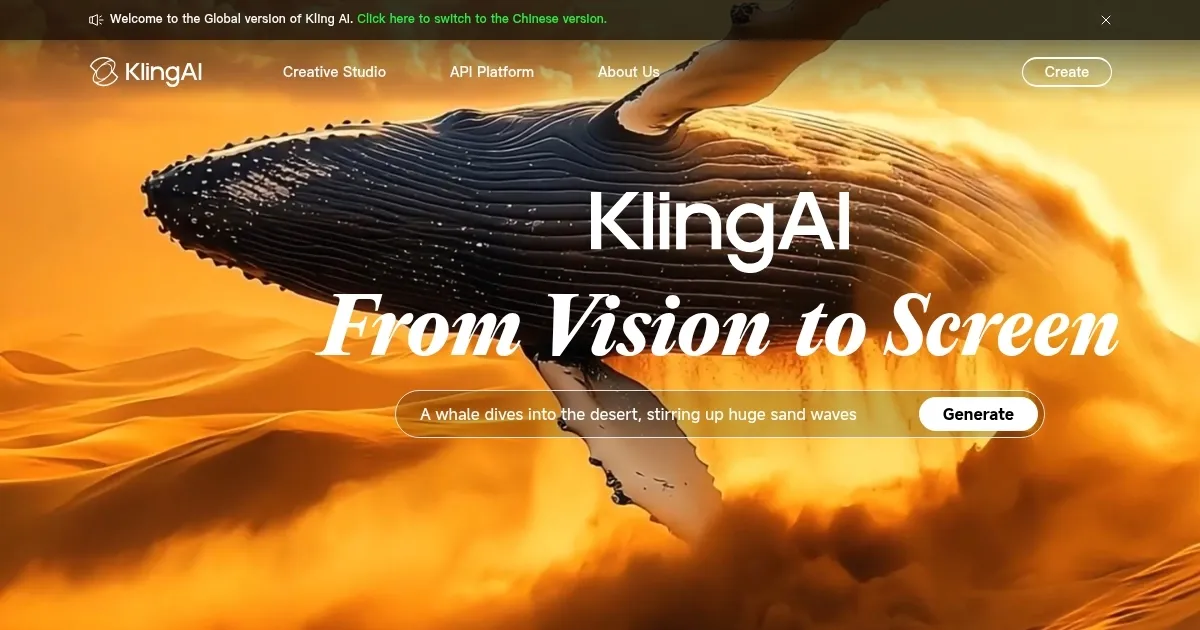
Homepage Screenshot 📸
Video Overview 🎬
What are the key features? ✨
- Text-to-Video: Converts detailed text prompts into dynamic video clips with cinematic motion and up to 1080p resolution.
- Image-to-Video: Animates static images into fluid scenes using advanced physics simulation for natural movements.
- Motion Brush: Allows users to paint specific motion paths on elements for precise control over video dynamics.
- Lip Sync: Synchronizes generated audio with character movements for realistic dialogue in videos.
- Negative Prompts: Enables exclusion of unwanted elements like distortions to refine output quality.
Who is it for? 🤔
Examples of what you can use it for 💡
- Social Media Creator: Generates engaging short-form videos from text prompts to boost TikTok or Instagram engagement quickly.
- Filmmaker: Animates storyboards or concept art into motion sequences for pre-visualization and pitching ideas.
- Marketer: Produces product demo clips from images, adding dynamic effects to highlight features in ads.
- Educator: Creates illustrative videos from educational scripts to explain complex topics visually for students.
- Game Developer: Tests character animations and environmental interactions from design sketches for prototypes.
Pros & Cons ⚖️
- Realistic motion physics
- Fast rendering speeds
- Intuitive interface
- Affordable tiers
- Credit limits on free
- Occasional glitches
FAQs 💬
Ready to try Kling AI?
Generates cinematic videos from text or images with realistic motion
Visit Kling AI