
Best AI Legal & Finance Tools
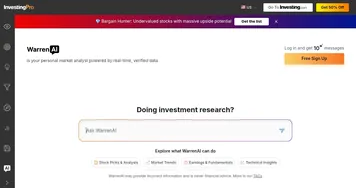
AI legal and finance tools help you handle contracts, research, money, and investing: reviewing legal documents, answering legal questions, tracking budgets, and analyzing markets. The category spans legal assistants like CoCounsel, personal-finance managers like Monarch, and investing research tools like WarrenAI and AInvest.
Lawyers, finance professionals, and everyday people managing their own money use these tools to cut down on tedious review and to understand complex documents faster. The honest caveat here matters more than in most categories: AI can draft and summarize, but it isn't a licensed lawyer or financial advisor, and it can get details wrong. Use it to speed up the work and surface the right questions, then have a professional check anything with real legal or financial stakes.





















What can you do with AI tools for legal matters?
Depending on what you do -- as in, whether you're a legal professional or not -- you can do many things with these tools, such as:-
Generate documents
These AI tools can generate a range of legal documents such as contracts, agreements, wills, and legal notices. You simply input the necessary details and let AI do its magic, producing the document you could use. -
Legal research
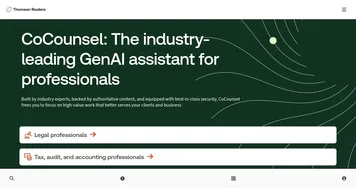
AI tools can help conduct legal research thanks to their ability to analyze large amounts of data and identify relevant cases, statutes, and legal precedents. This is a valuable tool for today's lawyers, saving them a ton of time and effort along the way. CoCounsel and Spellbook are the top choices for AI-powered legal research. -
Contract analysis
Another use case for professionals. These tools can analyze contracts and identify any potential issues, inconsistencies, or areas that may need revision. As a result, you get a contract that is legally sound and complies with all the necessary regulations. Again, check out CoCounsel and Spellbook. -
Document review
Beyond contracts, these tools can also analyze other legal documents, ensuring that they are consistent and free of any errors. -
Predictive analysis
There are some advanced AI tools that can predict legal outcomes based on the analysis of past cases and legal precedents. This can be especially helpful for developing a legal strategy. -
Legal advice
As noted above, there are AI tools offering the general public the ability to chat with a virtual lawyer which has been trained on all kinds of legal documents. Probably the most popular tool in this category are AI Lawyer and DoNotPay.