Frequently Asked Questions
What is the best AI finance tool?
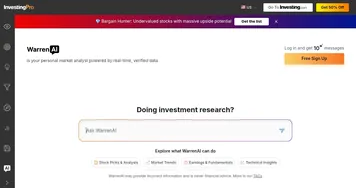
The best AI finance tool depends on what you need. Monarch is strong for full household budgeting and tracking net worth, while WarrenAI and AInvest are better when you want quick answers about markets and companies. Most people start with a free tier and keep whichever one they actually open each week.
Are AI finance tools safe to link to my bank account?
Reputable AI finance tools use bank-grade encryption and read-only connections through trusted aggregators, so they can see balances and transactions but cannot move your money. Still, you are sharing sensitive data, so check the provider's security page, enable two-factor login, and avoid lesser-known apps that lack a clear privacy policy.
Can AI help me budget and save money?
Yes, AI can help you budget by categorizing your spending automatically, spotting recurring charges, and showing where your money actually goes each month. Some tools suggest savings targets or flag bills that crept up. They organize the picture and nudge you, but the spending decisions and discipline are still yours.
Are AI finance tools free?
Many AI finance tools offer a free tier with basic budgeting or a limited number of questions, then charge a monthly or yearly fee for full features. Subscriptions commonly run from a few dollars to around fifteen dollars a month. Try the free version first to see if the tool fits how you manage money.
Can I trust the financial advice from AI tools?
You should treat AI financial output as information, not advice. These tools are not licensed advisors, they can be wrong, and they do not know your full situation or risk tolerance. Use them to understand your money and prepare questions, then confirm anything important with a qualified professional before acting on it.