Best AI Transcriber Tools
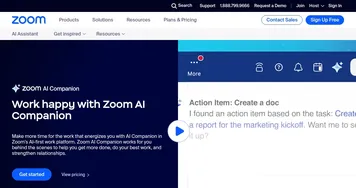
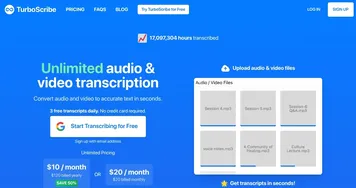
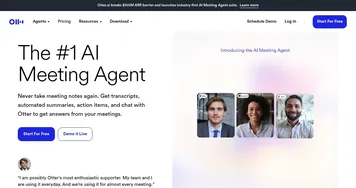
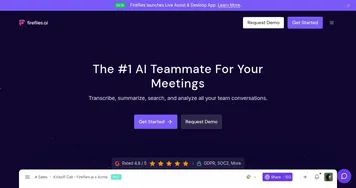
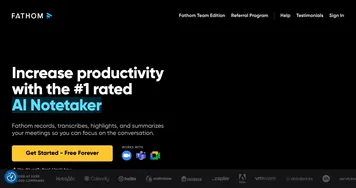
An AI transcriber records a meeting, interview, or video and produces a tidy written transcript with speakers labeled and timestamps attached. These tools join your calls or take an uploaded recording, separate who said what, and hand back text you can search, edit, and share. Popular options include Otter.ai for live meeting notes, TurboScribe for fast file transcription, and Zoom AI Companion built right into the call.
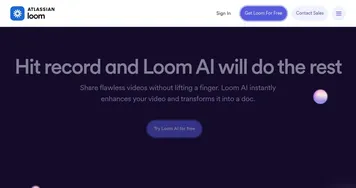
Journalists, researchers, sales teams, and anyone who sits through a lot of calls lean on these to skip the manual typing. The thing that actually separates them is accuracy on real-world audio: crosstalk, accents, and background noise are where cheap transcribers fall apart. If your work involves video, a tool like Loom AI handles screen recordings and their transcripts together, while a dedicated app gives you cleaner speaker labels for multi-person interviews.