Frequently Asked Questions
What are AI tools used for in healthcare?
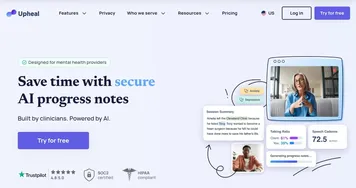
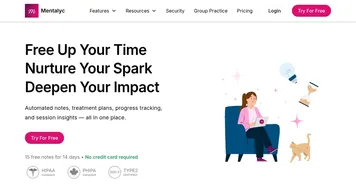
AI tools in healthcare mostly handle the work around care rather than care itself. They transcribe and summarize patient visits, draft clinical notes, manage scheduling and billing, and sort through research. The goal is to cut administrative load so clinicians have more time and attention for actual patients.
Are AI healthcare tools HIPAA compliant?
Some are and some are not, so you have to check each one. Tools made for clinical use generally offer HIPAA compliance and will sign a business associate agreement, while consumer apps often do not. Before entering any patient data, confirm the vendor's compliance status and how they store and protect it.
Can AI replace doctors and nurses?
No, AI cannot replace doctors and nurses, and it is not designed to. These tools assist with documentation, research, and routine admin, but clinical judgment, examination, and the decision to treat stay with licensed professionals. AI can be wrong, so a human always reviews its output before it affects a patient.
How accurate are AI medical scribes?
AI medical scribes are accurate enough to save real time but not accurate enough to trust unchecked. They capture most of a conversation well, yet they can mishear terms, miss context, or invent details. That is why every draft note is reviewed and edited by the clinician before it enters the record.
Are AI healthcare tools free?
Most clinical AI tools are paid products, usually sold by subscription per provider or per organization, since they involve compliance, support, and integration costs. Some offer free trials or limited tiers, and research tools like Rayyan have free options for individuals. Enterprise pricing is typically quoted directly by the vendor.