Best AI Symptom Checking Tools

9 toolsRanked by traffic

AI symptom checkers let you describe how you feel and get a list of possible causes plus guidance on whether to see a doctor. You answer questions about your symptoms, and tools like Ubie and Medly suggest what might be going on. Some are focused: Skinive assesses skin from a photo, and MediSearch pulls plain answers from medical sources.

People reach for these to figure out how worried to be before booking an appointment, and to understand which symptoms might be connected. They are useful for self-triage, helping you decide between rest, a clinic visit, or urgent care. Two honest limits: a symptom checker does not diagnose you and can miss serious problems. It points you toward likely possibilities, but a real assessment requires a clinician, and anything severe or sudden needs prompt medical attention.
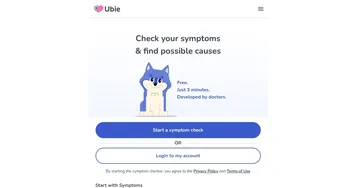

Ubie
Ubie - icon
Ubie
An AI tool that lets you input your symptoms & find possible causes, developed by doctors
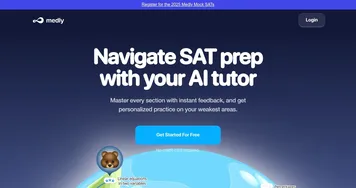
Medly
Medly - icon
Medly
Provides personalized AI tutoring for GCSE, A-Level, IB, and SAT exams
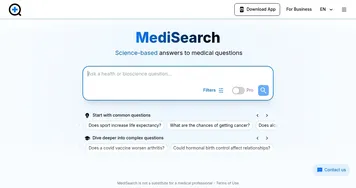
MediSearch
MediSearch - icon
MediSearch
An AI-powered search engine that provides direct, science-based answers to medical inquiries
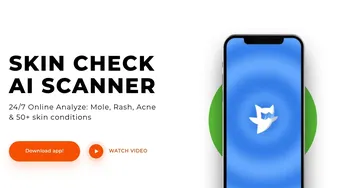
Skinive
Skinive - icon
Skinive
Scans skin using AI to assess health risks and provide skincare advice
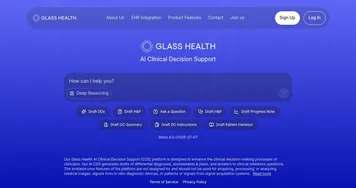
Glass AI
Glass AI - icon
Glass AI
Generates a differential diagnosis or drafts clinical plans based on a clinical problem
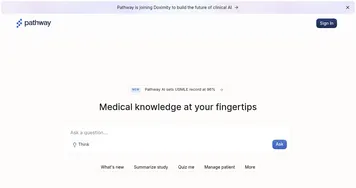
Pathway
Pathway - icon
Pathway
Provides rapid access to evidence-based medical guidelines and algorithms
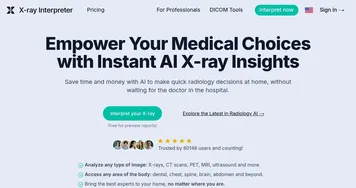
X-ray Interpreter
X-ray Interpreter - icon
X-ray Interpreter
Analyzes X-rays, CT scans, MRIs, and ultrasounds with AI for quick diagnostic insights
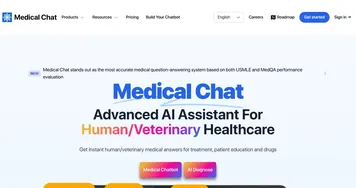
Medical Chat
Medical Chat - icon
Medical Chat
An AI-powered platform designed specifically for healthcare professionals
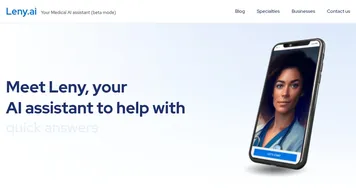
Leny
Leny - icon
Leny
AI-powered medical assistant providing instant responses to medical questions, treatment plans, and more

Frequently Asked Questions

How does an AI symptom checker work?
An AI symptom checker asks you a series of questions about what you are feeling, then matches your answers against patterns of known conditions. It returns a list of possible causes ranked by likelihood, along with advice on whether to rest, see a doctor, or seek urgent care. It guides triage, not diagnosis.
Are AI symptom checkers accurate?
AI symptom checkers are a useful starting point but only moderately accurate, and studies show they list the correct condition near the top only part of the time. They can both overstate and understate how serious something is. Use them to decide whether to seek care, not as a verdict on what you have.
Should I see a doctor or use a symptom checker first?
A symptom checker is fine for minor or unclear symptoms when you are deciding whether a visit is worth it. For anything severe, sudden, or worsening, such as chest pain, trouble breathing, or a high fever, skip the app and seek medical care immediately. When in doubt, get checked by a professional.
Is a symptom checker the same as an AI diagnosis?
No, a symptom checker is not the same as an AI diagnosis tool. A symptom checker is a consumer tool for self-triage that suggests possible causes from how you feel. AI diagnosis tools are usually clinician-facing and work from richer data to support a formal decision. Neither replaces a doctor's actual diagnosis.