Frequently Asked Questions
Can AI diagnose medical conditions?
AI can suggest possible diagnoses by analyzing symptoms, images, or test data, but it does not truly diagnose on its own. It produces a ranked list of possibilities and supporting evidence for a clinician to weigh. The actual diagnosis is a professional judgment that combines exam, history, and tests the algorithm cannot fully assess.
How accurate is AI medical diagnosis?
AI diagnostic accuracy varies widely by task, and it tends to be strongest on narrow, image-based problems and weaker on complex or rare cases. Even strong tools produce false positives and false negatives. Because a missed or wrong diagnosis can be serious, their output is treated as decision support that a clinician must confirm.
What is the difference between a symptom checker and an AI diagnosis tool?
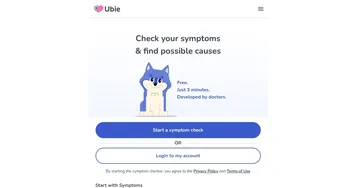
A symptom checker is a consumer tool that takes how you feel and suggests possible causes and whether to see a doctor. An AI diagnosis tool is usually clinician-facing and works from richer data like images, labs, and history to support a formal diagnostic decision. One guides self-triage; the other supports clinical reasoning.
Do doctors use AI for diagnosis?
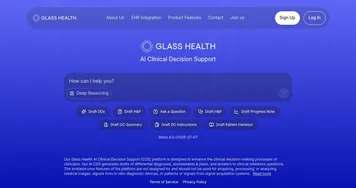
Yes, some doctors use AI as decision support during diagnosis, especially for reviewing medical images and building a differential. It works alongside their judgment rather than replacing it, flagging possibilities and evidence to consider. The clinician makes the final diagnosis, since they carry the responsibility and can interpret the full clinical picture.
Can I trust an AI diagnosis from an app?
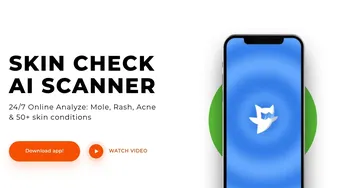
You should not treat an AI diagnosis from an app as a real diagnosis. It can help you understand possibilities and prepare for an appointment, but it can also be wrong or miss something serious. Always confirm any health concern with a licensed professional who can examine you and order proper tests.