January
Predicts glucose impact of foods using AI to optimize nutrition
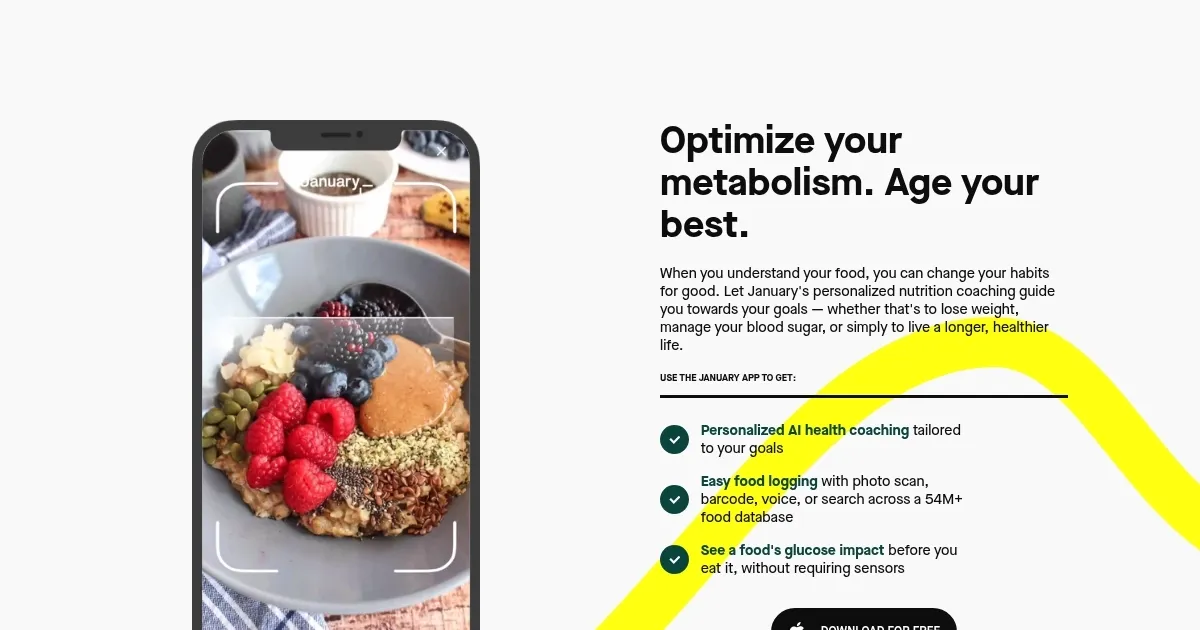
January is a game-changer in the world of health tech, a sleek app that promises to help you understand your body’s reaction to food before you even take a bite. Founded in 2017 by Noosheen Hashemi and Dr. Michael Snyder, a Stanford genomics expert, this app leverages a massive database of over 32 million foods to deliver personalized nutrition advice. It’s like having a nutritionist in your pocket, but one powered by cutting-edge artificial intelligence. The premise is simple yet profound: snap a photo of your meal, and January analyzes it, predicts how it’ll affect your blood sugar, and suggests healthier alternatives. No needles, no continuous glucose monitors (CGMs), just your smartphone doing the heavy lifting.
What makes January stand out is its photo-scanning feature. You point your phone at a plate of spaghetti or a grocery store barcode, and the app breaks down the macros — carbs, protein, fat, fiber — with startling accuracy. I think it’s the kind of tool that could make a real difference for people managing prediabetes or just trying to eat smarter. The app’s “Hack My Food” feature is a personal favorite, letting you swap ingredients to see how small tweaks, like subbing quinoa for white rice, could lower glucose spikes. It’s practical, actionable, and honestly kind of fun. Integration with Apple HealthKit pulls in sleep and activity data, making the insights even more tailored. And then there’s Jan, the AI health coach, who offers tips on everything from fasting protocols to workout plans. It’s not perfect — sometimes Jan’s advice feels a bit generic — but it’s a solid start.
That said, January isn’t flawless. The app’s free version is robust, but some features, like the more personalized “digital twin” predictions, require a subscription and a CGM for initial training. This could feel like a bait-and-switch for users expecting full functionality out of the gate. Also, while the database is massive, it occasionally stumbles on obscure or homemade dishes, which can frustrate users who cook from scratch. Compared to competitors like NutriSense, which focuses heavily on CGM-based tracking, or Zoe, which also emphasizes gut health, January’s strength is its accessibility — no invasive sensors needed. But those competitors might edge it out for users who want deeper, device-driven data.
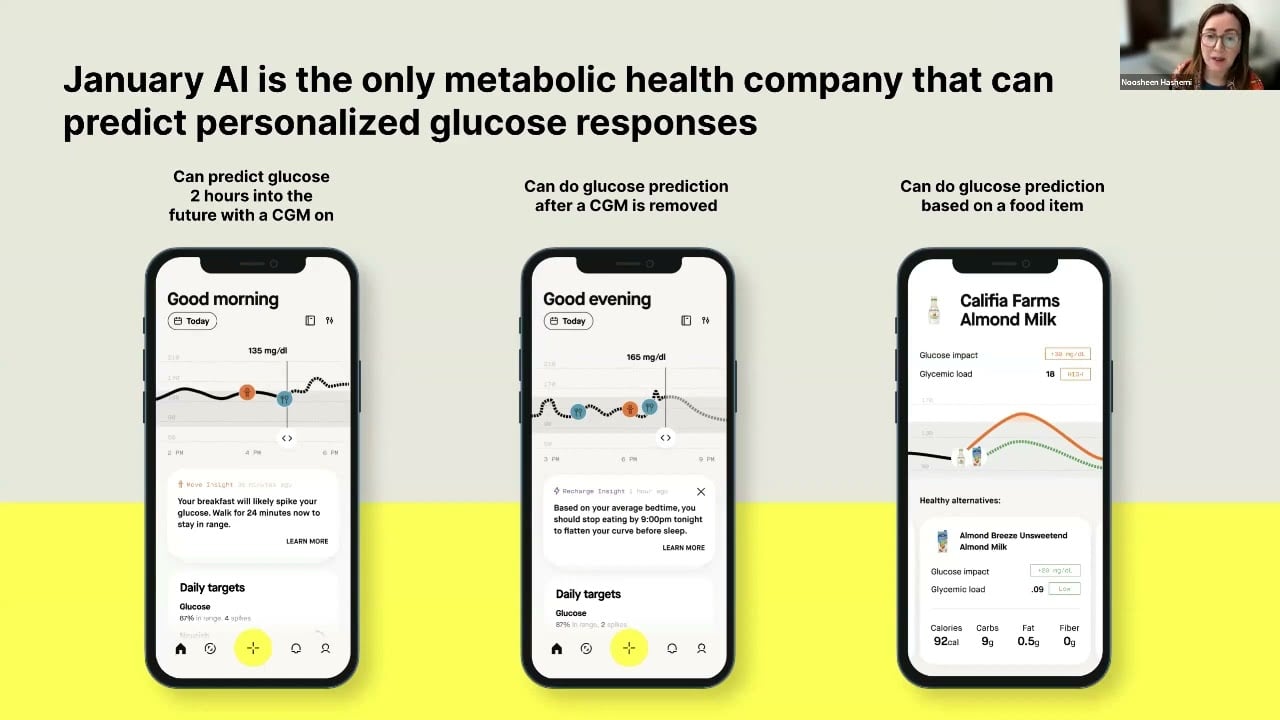
The app’s interface is clean, intuitive, and visually appealing, with a “traffic light” system to flag foods by their glucose impact. Green means go, red means proceed with caution. It’s a clever way to simplify complex metabolic science. Recent updates, announced at HLTH 2023, have made the photo scanner even sharper, and the fasting guide is a nice touch for those experimenting with intermittent fasting. I was surprised by how much I enjoyed the real-time feedback loop — logging a meal and instantly seeing its predicted glucose curve feels like a peek into your body’s future.
For anyone looking to get started, download the free app and play with the photo scanner for a week. Experiment with different meals to see what spikes your glucose and what doesn’t. If you’re prediabetic or just curious about your metabolism, pair it with a CGM for a couple of weeks to train the AI — it’s worth the effort for more precise insights. Keep a food journal alongside the app to track how its suggestions align with how you feel.
Homepage Screenshot 📸
Video Overview 🎬
What are the key features? ✨
- Photo Scanning: Identifies meal ingredients and macros via AI-powered photo analysis.
- Glucose Prediction: Estimates blood sugar impact without a CGM, using a 32-million-food database.
- Hack My Food: Suggests ingredient swaps to reduce glucose spikes and optimize nutrition.
- AI Coach (Jan): Provides personalized nutrition, fitness, and fasting advice.
- Apple HealthKit Integration: Syncs sleep and activity data for tailored health insights.
Who is it for? 🤔
Examples of what you can use it for 💡
- Prediabetic User: Scans meals to identify foods that minimize glucose spikes.
- Fitness Enthusiast: Uses “Hack My Food” to optimize meals for workout goals.
- Busy Professional: Logs barcodes for quick nutritional insights on the go.
- Home Cook: Tests ingredient swaps to create healthier family recipes.
- Fasting Beginner: Follows AI-guided fasting protocols to improve metabolic health.
Pros & Cons ⚖️
- Accurate photo-based food scanning
- Free version offers robust features
- Apple HealthKit integration
- Subscription needed for full features
- AI coach advice can be generic
FAQs 💬
January alternatives 🔗