Best AI Image Describing Tools

25 toolsRanked by traffic

AI image describing tools generate a written description of a picture, turning what is in the frame into a caption, an alt-text line, or a reusable prompt. Instead of just labeling objects, they narrate the scene in natural language. The category includes prompt-recreation tools like Image-to-Prompt and ImagePrompt.org that reverse a photo into the text a generator would need, plus stock and creative helpers like Vecteezy AI for captions and keywords.

Content creators, marketers, accessibility teams, and prompt writers lean on these to write alt-text at scale, caption a gallery, or figure out how to recreate an image style they admire. A describer is the opposite job from a recognizer: it narrates the picture in a sentence rather than spitting out a list of labels. Domain apps like PlantNet show the line can blur, but a true describer always hands you usable words, not just tags.
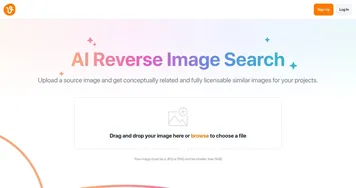
Vecteezy AI
Vecteezy AI - icon
Vecteezy AI
A reverse image search engine that generates related and fully licensable similar images
Google Lens Homework
Google Lens Homework - icon
Google Lens Homework
A mobile app that uses AI to help students by providing visual explanations of concepts
PictureThis
PictureThis - icon
PictureThis
Identifies plants from photos, offering care tips and species info
Image-to-Prompt
Image-to-Prompt - icon
Image-to-Prompt
Generate captions from images instantly with one click.
Lenso.ai
Lenso.ai - icon
Lenso.ai
An AI-powered reverse image search platform
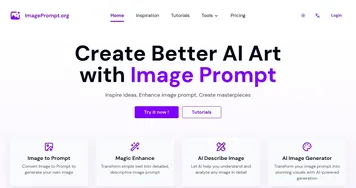
ImagePrompt.org
ImagePrompt.org - icon
ImagePrompt.org
Helping users create detailed prompts for AI art generation
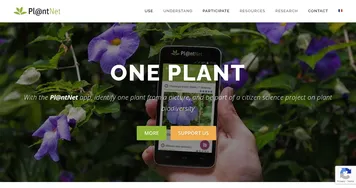
PlantNet
PlantNet - icon
PlantNet
Identifies plants from photos, contributing to biodiversity research
GeoSpy
GeoSpy - icon
GeoSpy
An advanced AI tool designed for location intelligence and geospatial analysis
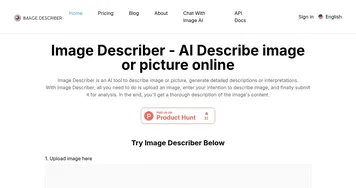
Image Describer
Image Describer - icon
Image Describer
Using AI to analyze photos and transform visuals into comprehensive narratives
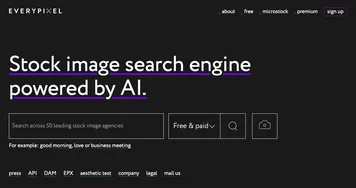
EveryPixel
EveryPixel - icon
EveryPixel
Search across 50 leading stock image agencies with AI-powered search
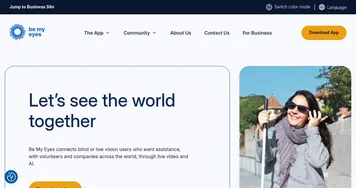
Be My Eyes
Be My Eyes - icon
Be My Eyes
Connects people needing sighted support with volunteers through live video
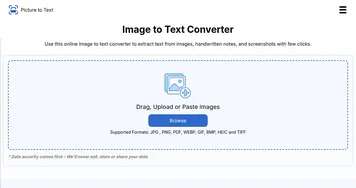
Picture to Text
Picture to Text - icon
Picture to Text
An online tool that can convert images into editable text using advanced OCR technology
DatingAI.pro
DatingAI.pro - icon
DatingAI.pro
An AI-driven tool that enhances your online dating experience by acting as a virtual wingman
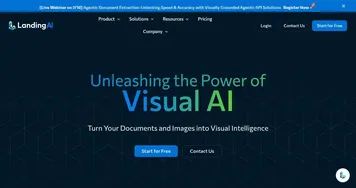
LandingAI
LandingAI - icon
LandingAI
Helping businesses develop and deploy visual inspection solutions
Foxy
Foxy - icon
Foxy
Generates photorealistic AI images and interactive influencer experiences

Frequently Asked Questions

What does an AI image describing tool do?
An AI image describing tool looks at a picture and writes a description of it in natural language. It produces captions, alt-text for accessibility, or a detailed prompt you could feed back into an image generator. The output is a readable sentence or paragraph about the scene, not a bare list of object labels.
What is an image-to-prompt tool?
An image-to-prompt tool reverses the usual workflow by reading a finished image and writing the text prompt that could recreate it. Tools like Image-to-Prompt and ImagePrompt.org analyze the subject, style, lighting, and composition, then output a descriptive prompt you can paste into an AI image generator to make something similar.
Can AI write alt-text for images?
Yes, AI image describers generate alt-text automatically, which is a major help for accessibility and SEO. The tool reads the image and writes a short, factual description for screen readers and search engines. You should still review the output, since AI can miss context or important detail that a human caption would include.
How is image describing different from image recognition?
Image recognition identifies and labels the contents of a picture, returning names like "dog" or "stop sign." Image describing takes those contents and composes them into a full sentence, such as "a dog sitting beside a stop sign." Recognition produces tags, while describing produces readable, human-style language about the whole scene.