
Best AI Prompt Engineering Tools
36 toolsRanked by traffic
Prompt engineering tools help you craft, test, and refine AI prompts in a systematic way, going beyond a one-off prompt to manage versions, compare outputs, and optimize what you send a model. The category spans testing environments like Google AI Studio, evaluation platforms like LangSmith, and shared prompt libraries like FlowGPT and Image-to-Prompt.
Developers, AI builders, and power users reach for these when a prompt has to work reliably across many inputs, not just once. The focus is repeatability and measurement: you tweak a prompt, run it against test cases, and see which version performs best. If you only need a single nice result, a prompt generator is simpler. Engineering tools earn their keep when prompts ship inside a product.
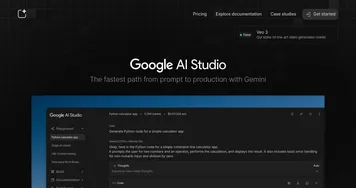
Google AI Studio
Prototypes AI solutions using Gemini models in a browser-based IDE
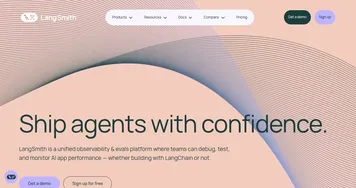
LangSmith
An online tool that helps developers get their Large Language Model app from prototype to production
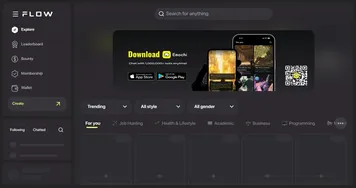

FlowGPT
Discovers and shares AI prompts for enhanced ChatGPT interactions


Image-to-Prompt
Generate captions from images instantly with one click.
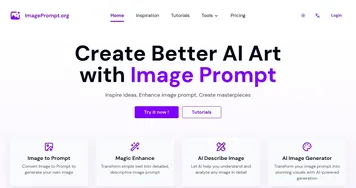

ImagePrompt.org
Helping users create detailed prompts for AI art generation
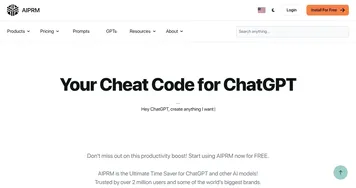

AIPRM
Browser extension that helps with curated ChatGPT prompts


God of Prompt
Great resource offering many prompts for tools like ChatGPT, Claude, Midjourney, and Gemini AI


PromptHero
Generate and refine prompts for AI-driven models like Stable Diffusion, DALL-E, and MidJourney
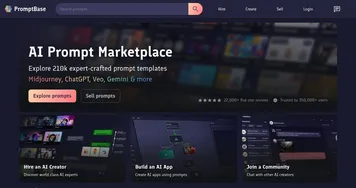
PromptBase
Connects users with expert-crafted AI prompts to generate high-quality content
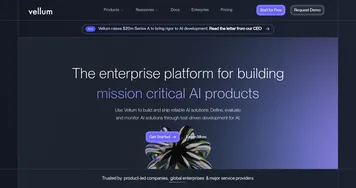

Vellum
An AI development platform that helps teams build and deploy AI-powered applications


Glif
A no-code platform that empowers users to create AI-driven applications, workflows, and chatbots
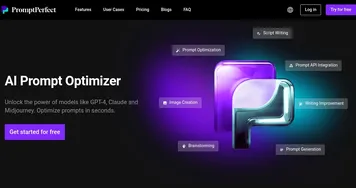
PromptPerfect
A premier gateway to streamlined prompt engineering for Large Language Models (LLMs)

Prompt Genie
Turns your simple prompts into SUPER prompts to get better ChatGPT results
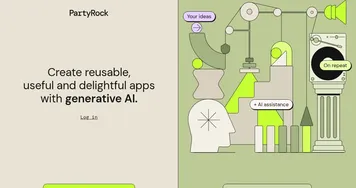
PartyRock
Builds generative AI apps without coding, using intuitive prompts and widgets
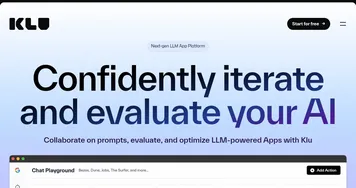

Klu
Helping people build smart apps with the help of AI
Frequently Asked Questions
What is prompt engineering?
Prompt engineering is the practice of designing, testing, and refining the instructions you give an AI model to get reliable, accurate results. It treats prompts as something you measure and improve rather than guess at. The goal is output that stays good across many different inputs, not just a lucky single response.
What's the difference between prompt engineering and prompt generation?
Prompt engineering is the ongoing, technical work of crafting and optimizing prompts, often with version control and testing. Prompt generation simply turns your idea into a usable prompt for one task. Engineering matters when prompts power an application; generation is enough when you just want a good result now.
What tools are used for prompt engineering?
Prompt engineering tools include testing playgrounds where you compare model responses, evaluation platforms that score prompts against test cases, and prompt libraries that store and version your best work. Developers building AI features rely on them to catch regressions, while writers and analysts use the simpler ones to refine recurring prompts.
Do I need to know how to code for prompt engineering?
You don't need to code for basic prompt engineering, since many tools offer visual playgrounds and shared libraries. Coding helps when you're testing prompts at scale or wiring them into an app through an API. For everyday refinement of writing or research prompts, a no-code testing tool is plenty.
Are prompt engineering tools free?
Several prompt engineering tools are free or have generous free tiers, especially testing playgrounds and community prompt libraries. Evaluation and monitoring platforms aimed at production teams usually charge based on usage or seats. If you're learning, you can build real skill on free tools before any paid plan becomes worthwhile.