Frequently Asked Questions
Can AI replace a therapist?
No, AI cannot replace a therapist. A licensed therapist provides diagnosis, evidence-based treatment, and an accountable human relationship that an app cannot match. AI therapy tools can support reflection, journaling, and coping practice between sessions, but they have no clinical training and are not a substitute for professional care.
How do AI tools help therapists with notes?
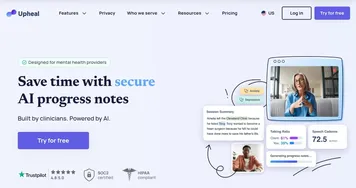
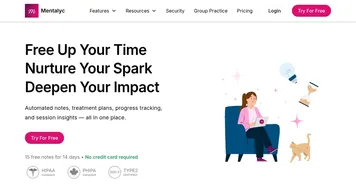
AI tools help therapists by transcribing sessions and drafting progress notes automatically, often in formats like SOAP or DAP. This cuts the hours spent on documentation after each client. The therapist reviews and edits every note for accuracy, since these tools handle the paperwork rather than the clinical judgment behind it.
Is AI therapy effective?
AI therapy tools can be helpful for everyday support, reflection, and practicing coping skills, and some people find them genuinely useful between sessions. They are not a proven replacement for real therapy, especially for serious conditions. Their effectiveness is best seen as a supplement to professional care, not a stand-in for it.
Is what I tell an AI therapy app confidential?
An AI therapy app does not offer the legal confidentiality a licensed therapist does. Your conversations are typically stored by the company and may be used to improve the product unless you opt out. Read the privacy and data policy carefully, and avoid sharing anything you would not want retained.
Can an AI therapy app handle a crisis?
No, an AI therapy app cannot handle a crisis and is not built for one. If you are having thoughts of self-harm or are in immediate danger, contact a crisis hotline, a mental-health professional, or emergency services right away. These apps are for everyday support, never for emergencies.