Frequently Asked Questions
What is the best AI tool for investing?
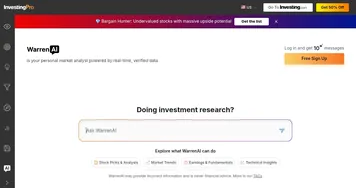
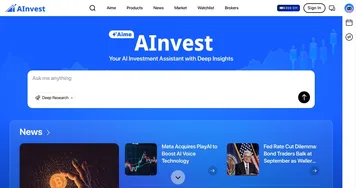
The best AI investing tool depends on your assets. WarrenAI and AInvest are well rounded for stock and fund research, Public Alpha is good for understanding markets in plain language, and Nansen specializes in crypto and on-chain data. Many investors combine a general research tool with a specialist one for their main holdings.
What's the difference between investing and trading tools?
Investing tools focus on building and managing a portfolio over months and years, with research on companies, funds, and long-term value. Trading tools focus on shorter-term moves, with signals, charts, and timing for active buying and selling. If you plan to hold positions for a while, an investing tool fits your style better.
Can AI predict the stock market?
No, AI cannot reliably predict the stock market. It can analyze data, summarize earnings, and surface patterns faster than you could by hand, but markets are driven by unpredictable events and human behavior. Any tool promising guaranteed returns or sure-thing picks should be treated as a warning sign, not an opportunity.
Should I trust AI with my investment decisions?
Use AI to inform your investment decisions, not to make them for you. These tools speed up research and can challenge your assumptions, but they are not licensed advisors and they do not know your goals or risk tolerance. The final call, and the risk, stays with you, so size positions you can afford to lose.
Are AI investing tools worth paying for?
AI investing tools can be worth paying for if you research often, since they save hours of reading filings and comparing companies. Paid plans typically unlock deeper data, alerts, and full portfolio analysis. If you invest passively in index funds and rarely tinker, a free tier or no tool at all may serve you just as well.