Frequently Asked Questions
What is text to video AI?
Text to video AI generates a video clip from a written prompt alone. You type a description of the scene, the action, and the style, and a model trained on video renders matching footage. Nothing needs to be filmed or uploaded first, which makes it the fastest way to turn an idea into moving images.
What is the difference between text-to-video and image-to-video?
Text-to-video starts from a written prompt and invents the whole scene, while image-to-video starts from a picture you supply and adds motion to it. Use text-to-video when you want to create something from scratch, and image-to-video when you already have the exact look and just want it to move.
How do you write a good text to video prompt?
A good text to video prompt names the subject, the setting, the camera movement, the lighting, and the mood in plain, specific language. Short vague prompts give the model too much freedom and produce inconsistent results. Adding details like time of day or shot type, such as close-up or wide, gives you far more control.
What is the best text to video AI?
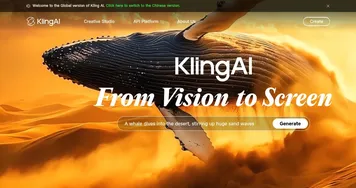
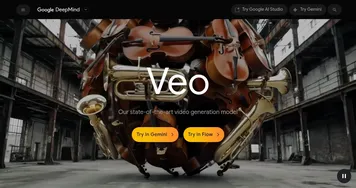
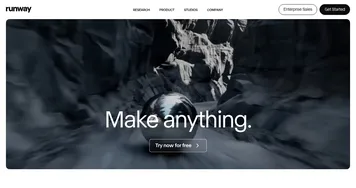
Veo and Sora are widely seen as the most capable for realistic, prompt-accurate scenes, while Kling AI and Runway are strong all-rounders that also offer editing features. The best choice depends on your style and budget, so it is worth running the same prompt through two tools to compare.
Is text to video AI accurate to the prompt?
Text to video AI follows prompts reasonably well but is not perfect. Models can miss a detail, add an extra object, or interpret an action loosely, especially with complex scenes or specific text on screen. Generating several takes and tightening your wording each time is the normal way to land the shot you pictured.