Frequently Asked Questions
What is the best AI video translation tool?
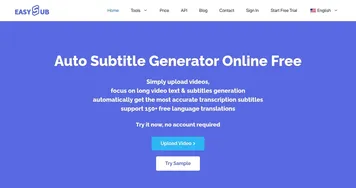
Rask AI is a leading choice for AI dubbing across many languages with voice cloning, while Maestra handles subtitles, captions, and voiceover in one workflow. SubEasy focuses on fast, accurate subtitles, and Immersive Translate adds bilingual subtitles while you browse. The best fit depends on whether you want dubbing, subtitles, or both.
Can AI dub a video into another language?
Yes, AI dubbing tools transcribe a video, translate the speech, and generate a new voiceover in the target language, often matching the original speaker's voice. Some also sync the new audio to lip movements. The results are good enough for most online content, though emotional delivery and timing still trail a professional human dub.
Should I use subtitles or AI dubbing?
Subtitles are cheaper, faster, and keep the speaker's real voice, which many viewers prefer for authenticity. AI dubbing is more immersive and better for audiences who don't like reading along, but it depends on a convincing synthetic voice. Many creators offer subtitles first and add dubbing for their biggest markets once a channel grows.
How accurate are AI video subtitles?
AI video subtitles are quite accurate for clear speech in common languages, usually needing only minor cleanup. Accuracy drops with heavy accents, background noise, fast talking, or technical jargon, where words get misheard. A quick proofreading pass before publishing catches the errors and fixes any timing that drifts out of sync with the audio.
Are AI video translation tools free?
Most AI video translation tools offer a free trial or a small free allowance of minutes per month, then charge based on video length and whether you use dubbing. Subtitles are generally cheaper than dubbing. For ongoing channels, paid plans priced by the minute or month work out far less than hiring translators and voice actors.