Frequently Asked Questions
How does AI video dubbing work?
AI video dubbing transcribes the speech in your video, translates that text into your chosen languages, and generates a new voiceover timed to the original. Better tools clone the speaker's voice so each language sounds like the same person, and some adjust pacing to fit the on-screen mouth movements. You then review and correct any errors.
Is AI dubbing accurate?
AI dubbing is accurate enough for general content but not perfect. It handles clear, conversational speech well, while idioms, technical terms, proper names, and overlapping voices cause mistakes. Timing can also slip on longer videos. For marketing or anything public, a native speaker should review the translation and voice before you release it.
Can AI dubbing keep my original voice?
Yes, many dubbing tools use voice cloning so the translated audio keeps the original speaker's tone and character across languages. You record or upload a sample, the tool learns the voice, and it applies that voice to every dubbed track. Results vary by language, so test a short clip before dubbing a whole library.
What is the best AI dubbing tool?
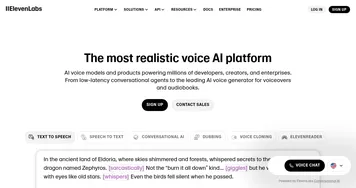
The best AI dubbing tool depends on your needs. ElevenLabs is known for natural-sounding voice cloning across many languages, HeyGen pairs dubbing with lip-sync so the mouth matches the new audio, and Maestra is handy for subtitles and dubbing together. Match the tool to the languages and accuracy you require.
Does dubbing also sync the lips to the new language?
Some dubbing tools add lip-sync, reshaping the on-screen mouth so it matches the translated audio rather than the original. This makes dubbed video look far more natural, especially in close-ups. Plain dubbing tools only swap the audio, leaving a slight mismatch between the lips and the words, which most viewers still find acceptable.