Frequently Asked Questions
What is speech recognition?
Speech recognition is a computer's ability to identify and interpret spoken words. It converts the sounds of your voice into text or commands the software can act on. The technology underpins dictation, voice assistants, automated captions, and the pronunciation checks in language apps, working in real time so it can respond while you are still speaking.
How does speech recognition handle different accents?
Modern speech recognition handles common accents well because models are trained on diverse voices, but strong or less common accents still lower accuracy. Many tools improve as they adapt to your voice over time, and some let you pick a regional variant. If recognition struggles, speaking a little slower and choosing the closest language setting helps.
Can I use speech recognition to dictate documents?
Yes, dictation is one of the most common uses of speech recognition. You speak naturally and the words appear on screen, and you can use voice commands for punctuation and formatting. It is faster than typing for many people and a genuine accessibility tool for anyone who finds a keyboard difficult to use.
Can speech recognition check my pronunciation?
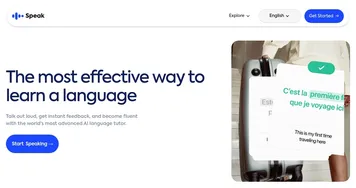
Yes, language-learning apps use speech recognition to compare how you say a word against a native model and flag where you are off. You repeat a phrase, the app scores your pronunciation, and it points to the specific sounds to fix. This kind of instant feedback is hard to get without a one-on-one tutor.
Does speech recognition work offline?
Some speech recognition runs fully on your device and works offline, which is faster and keeps your audio private. Others send speech to the cloud for higher accuracy and need a connection. Dictation features built into phones and computers often have an offline mode, while many advanced web tools require internet access.