Frequently Asked Questions
What is an AI voice assistant?
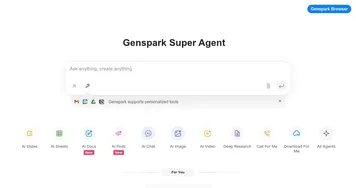
An AI voice assistant is a program you speak to and that replies with a spoken voice, carrying on a natural conversation. It combines speech recognition to understand you, a language model to decide what to say, and text-to-speech to answer aloud. Beyond chatting, many can take actions like setting reminders, answering calls, or looking things up.
How is a voice assistant different from a transcriber?
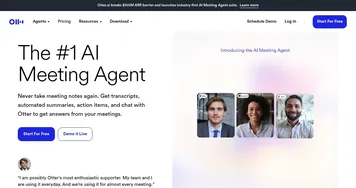
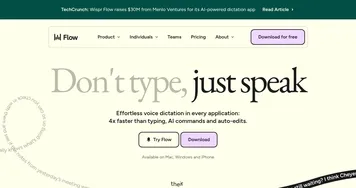
A voice assistant is built for two-way conversation: it understands your speech, reasons about it, and talks back. A transcriber only listens and writes down what was said, with no reply. The assistant uses transcription as one input, then adds a response and often an action, which a pure transcription tool never does.
Can AI voice assistants answer phone calls?
Yes, AI voice agents can answer phone calls, hold a natural conversation, and complete tasks like booking, screening, or routing. Businesses use them for support lines and reception that run around the clock. Platforms for building these agents let you connect a phone number, write the agent's goals, and link it to your scheduling or order systems.
Can I practice a language with an AI voice assistant?
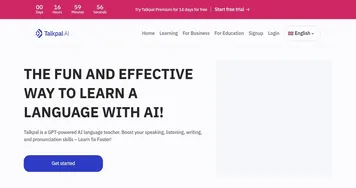
Yes, conversational AI tutors let you speak a language out loud and reply in real time, correcting pronunciation and grammar as you go. They are patient and available anytime, which makes them useful between lessons with a human teacher. The spoken back-and-forth builds listening and speaking confidence that flashcards alone cannot.
How natural do AI voice assistants sound?
Today's AI voice assistants sound close to human, with expressive intonation and short response delays that keep a conversation flowing. Quality varies by tool, and very fast or emotional exchanges can still expose the seams. For phone agents, a low response delay matters as much as the voice, since long pauses make callers think the line dropped.