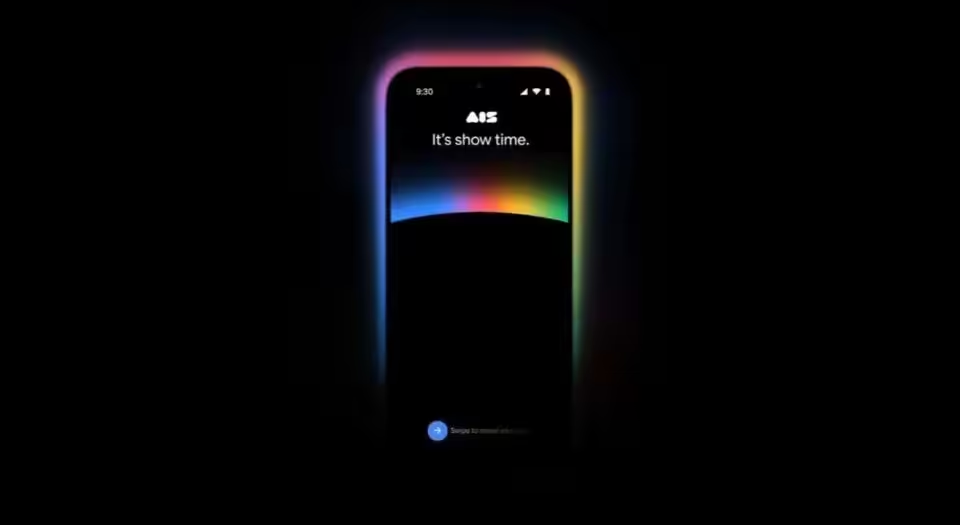
Google is taking another shot at reinventing the laptop. The company announced Googlebook, a new category of laptops that combines Android and ChromeOS with built-in Gemini AI features. The devices will launch this fall through partnerships with major manufacturers.
This represents Google’s most ambitious laptop effort since the original Chromebook launched 15 years ago. The timing suggests Google sees an opportunity to challenge traditional Windows and Mac laptops as AI becomes a key selling point for consumers.
AI-powered features take center stage
The most notable feature is Magic Pointer, developed with Google’s DeepMind team. Users can wiggle their cursor to activate contextual AI suggestions based on what they’re pointing at on screen. The system can:
- Convert dates in emails into meeting invitations
- Combine images to visualize how furniture might look in a room
- Provide contextual help across different applications
Google is also introducing Create your Widget, which lets users build custom desktop widgets through text prompts. The AI can pull information from Gmail, Calendar, and web searches to create personalized dashboards for specific tasks like trip planning.
Seamless Android integration promises cross-device workflow
The Android foundation allows Googlebook to work more closely with Android phones than traditional laptops. Users can run phone apps directly on the laptop, eliminating the need to switch devices for quick tasks like food ordering or language learning.
Quick Access lets users browse and insert files from their phone directly through the laptop’s file browser without manual transfers. This addresses a common pain point for people who work across multiple devices throughout the day.
Premium hardware partnerships signal serious market ambitions
Google is partnering with major manufacturers including Acer, ASUS, Dell, HP, and Lenovo for the initial Googlebook lineup. Each device will feature a distinctive “glowbar” – a visual element that identifies the laptop as a Googlebook.
The emphasis on premium materials and craftsmanship suggests Google is targeting the higher-end laptop market rather than competing primarily on price like early Chromebooks did. This positions Googlebook against MacBooks and premium Windows laptops where AI features could provide a differentiation advantage.
The success of Googlebook will likely depend on whether consumers see enough value in the AI features to switch from established laptop platforms. Google’s track record with hardware has been mixed, but the integration of Android’s app ecosystem could provide the compelling use case that previous Google laptop efforts lacked.