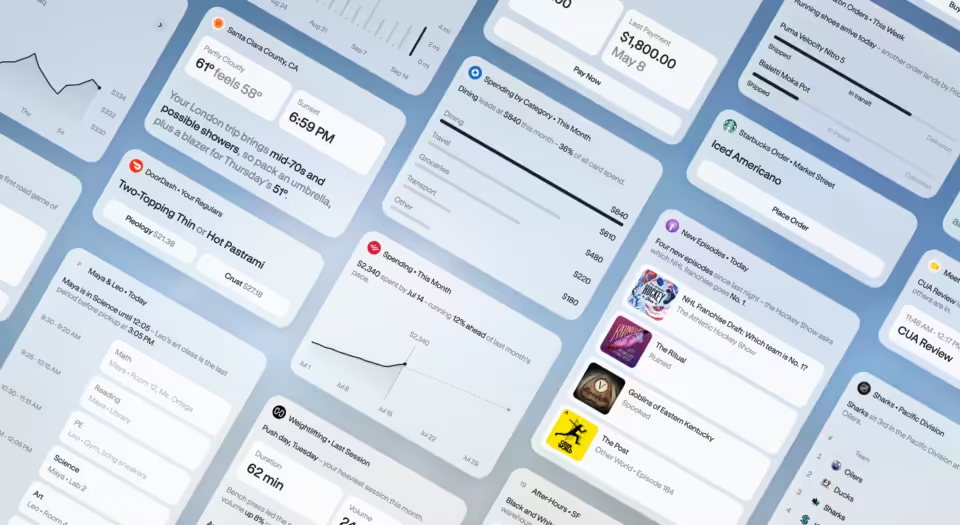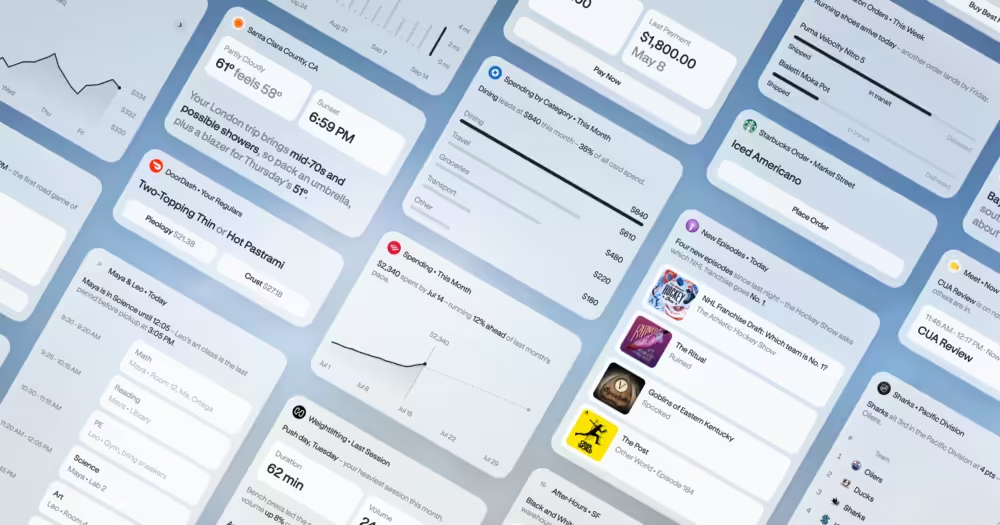
OpenAI might be working on more than just earbuds. A new report suggests the ChatGPT maker is exploring plans for an AI-powered smartphone that would replace traditional apps with intelligent agents capable of completing tasks automatically.
Industry analyst Ming-Chi Kuo, known for his accurate predictions about Apple hardware, reported that OpenAI is collaborating with MediaTek and Qualcomm on smartphone chip development, with Luxshare serving as a co-design and manufacturing partner.
The phone would represent a fundamental shift from how smartphones work today. Instead of downloading apps for specific tasks, users would interact with AI agents that could handle everything from messaging to shopping to scheduling. This approach could solve a major problem OpenAI faces: Apple and Google control app stores and limit what AI apps can access on their platforms.
Building its own hardware would give OpenAI complete control over how deeply ChatGPT integrates with device functions. With ChatGPT approaching one billion weekly users, a consumer hardware product could help the company reach even more people in their daily lives.
The timing aligns with broader industry thinking about the future of mobile interfaces. Several tech leaders have predicted that apps as we know them will eventually disappear. Nothing CEO Carl Pei made similar comments at SXSW, suggesting the entire app model is becoming outdated.
Kuo believes OpenAI’s phone would continuously monitor user context to provide more personalized AI assistance. This would give the company access to more behavioral data than any app could collect, potentially improving AI performance. The device would likely use a mix of on-device AI models for quick responses and cloud-based models for complex tasks.
The project timeline appears ambitious but realistic:
- Component specifications and supplier agreements expected by end of 2026 or Q1 2027
- Mass production planned to begin in 2028
- Launch would likely follow shortly after production starts
OpenAI has already signaled its hardware ambitions. Earlier this year, Chief Global Affairs Officer Chris Lehane said the company plans to announce its first hardware product in the second half of 2026. Previous reports suggested this would be specially designed earbuds, but a smartphone could be part of a broader hardware strategy.
The move would put OpenAI in direct competition with Apple and Google, both of which are racing to integrate AI into their own devices. However, OpenAI’s AI-first approach could offer a genuinely different user experience if the technology works as intended.
OpenAI did not respond to requests for comment about the smartphone project.