UserTesting AI
An online platform that leverages AI to streamline user experience research
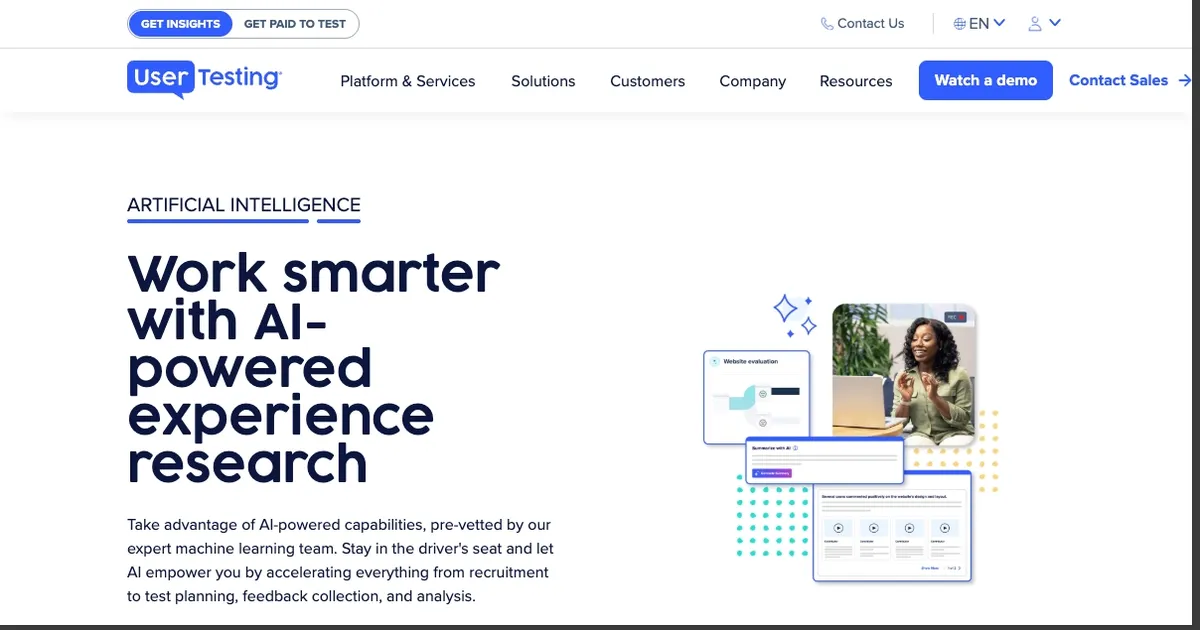
UserTesting AI is an online platform that leverages AI to streamline user experience research. By automating the process of gathering and analyzing user feedback, it allows teams to focus on strategic decision-making and improving user satisfaction.
The platform synthesizes data from videos, text, and user behaviors to provide a comprehensive view of user interactions. This then helps organizations more effectively identify key themes, patterns, and areas for improvement.
For instance, UserTesting AI can summarize insights from user sessions, so instead of manually combing through hours of video or pages of survey responses – the platform will highlight the most critical moments and sentiments for you. This saves time and ensures that important feedback is noticed.
In addition, it can detect points of friction in user interactions, providing actionable insights for enhancing the user experience.
UserTesting AI also excels in sentiment analysis, which surfaces emotional responses from user feedback. By analyzing user emotions, teams can prioritize changes that will significantly impact the overall user experience.
Furthermore, the platform can generate detailed behavioral data transcripts, offering a granular view of how users interact with digital products.
UserTesting AI can be used in various scenarios, from product development and UX design to marketing campaigns and customer support. For product teams, it provides critical feedback on new features and helps ensure they meet user needs. UX designers can use it to identify and fix friction points, while marketers can test and refine their strategies based on user reactions. Customer support teams can analyze interactions to improve service, and executives can leverage these insights for strategic decision-making.
The platform suits companies of all sizes, from startups to large enterprises, aiming to enhance their digital products and services by making data-driven, user-centric decisions.
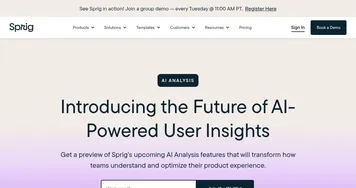
Homepage Screenshot 📸
Video Overview 🎬

What are the key features? ✨
- AI insights: Automatically extracts and highlights crucial insights and moments from diverse data sources to simplify the understanding of user feedback.
- Survey themes: Quickly identifies and summarizes common themes from large volumes of open-ended survey responses to enable faster trend recognition.
- Friction detection: Pinpoints and analyzes areas where users encounter difficulties to aid in refining user experiences.
- Sentiment analysis: Surfaces emotional responses from user sessions to help gauge user satisfaction and areas of concern.
- Behavioral data transcripts: It can create comprehensive transcripts based on user interactions to provide detailed behavioral insights through clicks and scrolls.
Who is it for? 🤔
Examples of what you can use it for 💡
- Leverage user feedback to refine features and ensure they meet user needs, enhancing product success
- Identify and address friction points and user sentiments to improve overall design and usability of digital products
- Test and optimize marketing strategies by understanding user reactions and feedback to campaigns
- Analyze user interactions to uncover common issues and improve support processes and customer satisfaction
- Utilize AI-generated insights to make informed, data-driven decisions
Pros & Cons ⚖️
- Automates user testing in different ways
- Helps companies create better digital products
- Different kinds of tests supported
- Could be pricey for smaller companies
FAQs 💬
Ready to try UserTesting AI?
An online platform that leverages AI to streamline user experience research
Visit UserTesting AIUserTesting AI alternatives 🔗