Tabnine


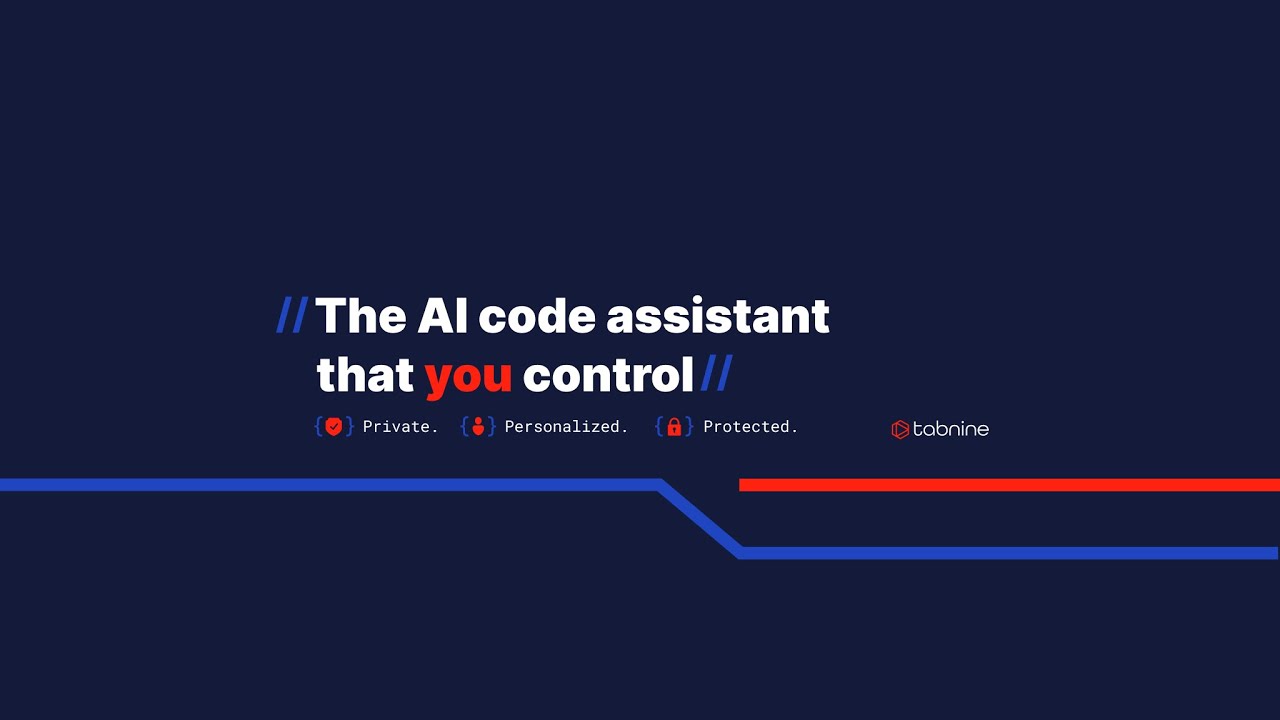
Tabnine is an AI platform for code assistance, offering completions, specialized agents, and deployment options, including air-gapped solutions for enhanced security.
It integrates into IDEs such as VS Code, IntelliJ, and others. Completions use whole-line predictions based on current files, open tabs, and repository context. Agents cover SDLC stages: Code Review Agent checks PRs against standards, Jira agents implement and validate issues, while Testing Agent builds cases from existing tests.
Deployment choices include SaaS, VPC, on-prem, and air-gapped. Enterprise controls enable per-user LLM access, set budget thresholds, and track usage metrics. It integrates with Git, Jira, and Confluence to provide organizational context. Supports multiple models, no lock-in.
Competitors include GitHub Copilot for fast completions in Microsoft tools, Amazon Q Developer with AWS integration and scans, and Cursor for agentic coding across platforms. Tabnine stands out in agents and offline security (though we prefer Cursor). When it comes to pricing, it’s fairly simple – there’s a free individual tier, paid options for teams, and custom enterprise pricing.
Users appreciate adaptive suggestions, agent automation, and auditability. However, there are a few complaints, namely in the areas of resource use during indexing and occasionally inaccurate, complex suggestions.
To get started with Tabnine, test it for free in your IDE on a small project first, then explore agents on real tasks before committing to an enterprise solution.
Video Overview ▶️
What are the key features? ⭐
- Code Completions: Provides whole-line AI suggestions trained on your codebase for accurate, context-aware predictions.
- AI Agents: Includes specialized agents for review, testing, documentation, fixing, and Jira tasks across SDLC.
- Enterprise Security: Supports air-gapped, on-prem, VPC deployments with no data egress.
- Context Awareness: Connects to repos, Jira, Confluence for org-specific relevant responses.
- Governance Tools: Offers user/team controls, budgets, metrics, provenance tracking.
Who is it for? 🤔
Examples of what you can use it for 💭
- Individual Developer: Speeds daily coding with smart autocompletions and quick code explanations in IDE.
- Engineering Team: Enforces standards via review agent and tracks productivity with analytics.
- Enterprise Org: Deploys air-gapped for secure AI use across repos without data risks.
- New Hire: Onboards fast using explain agent to understand legacy codebases.
- QA Engineer: Generates test plans and cases automatically from functions.
Pros & Cons ⚖️
- Adaptive to personal/org code styles
- Full SDLC agent coverage
- Air-gapped secure deployments
- Detailed usage governance
- Initial repo indexing resources
- Rare complex suggestion errors