
Best AI Tools for Coding & Development

AI tools are advantageous for coding and development because they introduce automation, efficiency, and intelligence into several aspects of the development lifecycle – encompassing software, web, app, and other development verticals. AI tools enhance the coding process by reducing manual repetitive tasks, and offering intelligent suggestions based on vast datasets. They act as smart assistants that can improve code quality, reduce errors, speed up development, and help developers learn and stay updated. However, it’s essential for developers to understand the reasons and implications of suggestions and not rely solely on AI, ensuring that the human touch remains at the core of the creative coding process.
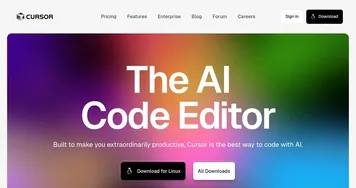
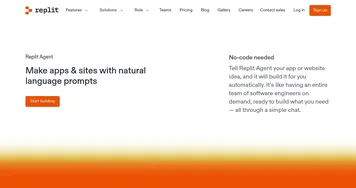
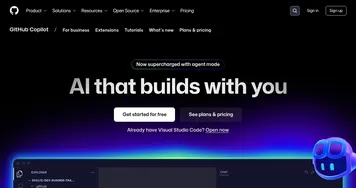
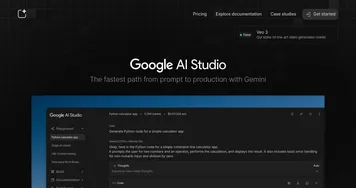
Some tools, such as Cursor, GitHub Copilot and Amazon Q Deveoper, are already widely used by developers within their coding environments for coding recommendations and auto-completions. Other tools, like Lovable and Replit, double as no-code platforms with the intended purpose of being able to build apps and websites without any coding knowledge whatsoever. While a vast array of use case scenarios exist for the tools listed, many of them can help save developers time and money.















How AI Tools for Coding and Development Can Help You
Overall, the current ecosystem of AI tools for coding and development helps in various aspects of the software development lifecycle, from code generation to project management, testing, and design. Here are some use cases of how AI tools can be helpful.
-
Code Generation and Completion:
These tools use AI to suggest code snippets and automatically complete lines of code as the developer types. This not only speeds up the coding process but also helps in reducing typos and syntax errors. Example tools include Cursor, GitHub Copilot, Amazon Q Developer, and Tabnine.
-
Code Review and Quality Analysis:
These tools use AI to analyze the code for potential bugs, security vulnerabilities, and code smells. This helps in maintaining code quality and reducing the time spent on debugging and fixing issues.
-
Automatic Bug Detection and Fixing:
AI algorithms are used to predict the locations in the codebase that are most likely to contain bugs. This helps developers to focus their testing and debugging efforts on the most critical parts of the code.
-
Project Management and Predictive Analytics:
AI-powered project management tools help in predicting project delays, resource allocation, and task prioritization. This helps in better project planning and avoiding costly overruns.
-
Automated Testing:
These tools use AI to automatically generate and execute test cases based on the application’s user interface. This reduces the manual effort required in writing and maintaining test cases.
-
Natural Language Processing for Requirement Analysis:
These tools use NLP to analyze requirement documents and extract relevant information. This helps in reducing the manual effort required in analyzing and documenting requirements. An example would be IBM Watson.
-
Design and Prototyping:
Although we have a dedicated section on web and app building tools, AI-powered design tools can generate design mockups, user interfaces, and even functional prototypes based on the input provided. This helps in speeding up the design process and reducing the iterations required.
As you can see, there are a wide array of tools available for developers. By leveraging these tools, developers can significantly improve their efficiency, reduce errors, and save both time and money.