Windsurf
Empowers developers with AI-driven code generation and real-time collaboration.
Windsurf is an AI-powered code editor that integrates agentic features to enhance developer productivity through deep codebase understanding and seamless workflows. It stands out with Cascade, which combines real-time action awareness and advanced tools for collaborative coding. Built on VS Code foundations, Windsurf supports major models like OpenAI, Claude, and its own SWE-1 series, enabling features such as automatic lint fixing and multi-file edits. This setup allows developers to focus on creative aspects while the AI handles boilerplate tasks, resulting in up to 94% AI-written code in production environments.
Key features include Tab for effortless actions like cursor movement and dependency imports, exclusive to the Windsurf Editor. Memories store codebase details, such as TypeScript structures or Next.js patterns, and are searchable across sessions. Rules let users define guidelines, like refreshing front-end adherence, and are applied automatically. There is also Lint Fixing that detects and resolves errors generated by Cascade to ensure clean outputs.
MCP Support enhances workflows by connecting custom tools with curated servers for Figma, Slack, and Stripe, offering one-click setups. The Plugin Store manages integrations like GitHub and PostgreSQL, and is expandable via add-server options. Drag-and-Drop Images allow instant design implementation, parsing visuals to generate matching layouts. And let’s not forget Terminal Command for executing forgotten commands without breaking flow, and Continue My Work, which tracks actions for seamless resumption. Lastly, there’s the Turbo Mode that auto-executes terminals to streamline deploys and previews.
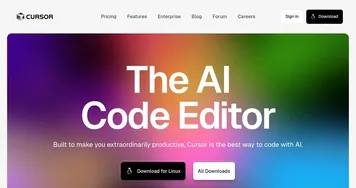
In comparison, Windsurf offers more affordable general pricing than Cursor‘s higher tiers, with unlimited agent usage in Pro plans. It provides robust enterprise support absent in Cursor, targeting large codebases with features like DeepWiki for symbol analysis. Against Replit, Windsurf excels in individual IDE depth over Replit’s collaborative prototyping. GitHub Copilot lags in multi-file context, requiring manual tagging, while Windsurfs Indexing Engine retrieves project-wide relevance via embeddings and syntax parsing. Lovable suits no-code fronts but lacks Windsurf’s engineering rigor for backends.
Users appreciate the intuitive UI, especially novices, as it maintains active servers, unlike competitors. Testimonials highlight building apps from single prompts and hysterical laughter at responsive AI. However, credit depletion during intensive use draws complaints, and occasional nonsensical outputs require oversight. Recent updates, like free SWE models, address speed issues, matching Sonnet on benchmarks.
For practical use, start with the free tier, which includes 25 credits and unlimited Tabs. Index your repo for Cascade awareness, set rules for consistency, and enable Turbo for automation. Test on small projects to gauge credit efficiency before scaling. This approach minimizes risks while maximizing flow gains.
Homepage Screenshot 📸

Video Overview 🎬

What are the key features? ✨
- Cascade: Combines codebase understanding and tools for seamless AI collaboration.
- Memories: Stores and searches key workflow details like patterns and structures.
- Lint Fixing: Automatically detects and resolves errors generated by AI code.
- MCP Support: Connects custom tools via curated servers for one-click setups.
- Turbo Mode: Enables auto-execution of terminal commands for faster deploys.
Who is it for? 🤔
Examples of what you can use it for 💡
- Solo Developer: Generates full features from prompts, auto-importing dependencies and fixing lints for rapid prototyping.
- Frontend Team: Drops Figma images into Cascade to build responsive layouts matching designs instantly.
- Backend Engineer: Uses Turbo Mode to execute deploys and previews, continuing work across sessions seamlessly.
- Enterprise Admin: Sets up SSO and analytics dashboards for secure, trackable team collaborations on large repos.
- Novice Coder: Relies on Memories and Rules to enforce patterns, learning through guided, error-free suggestions.
Pros & Cons ⚖️
- Deep codebase awareness
- Seamless team integrations
- Fast multi-file edits
- Intuitive UI for novices
- Credit usage varies
- Occasional output errors
FAQs 💬
Ready to try Windsurf?
Empowers developers with AI-driven code generation and real-time collaboration.
Visit WindsurfWindsurf alternatives 🔗