Frequently Asked Questions
Can AI review my pull requests?
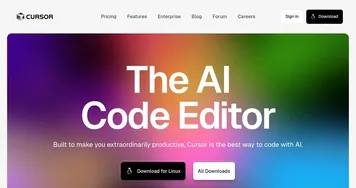
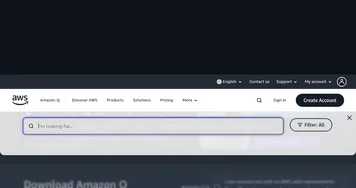
Yes, AI can review pull requests by reading the diff and posting comments on likely bugs, security risks, and style issues. Tools like Cursor and Amazon Q Developer often suggest a fix alongside each comment. The review is fast and consistent, though it lacks your product context, so a human still approves the final merge.
What is the best AI code review tool?
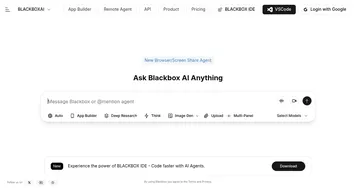
The best AI code review tool depends on your workflow. Cursor and Windsurf review changes live inside the editor, Amazon Q Developer integrates with cloud and repository pipelines, and BlackBox AI inspects code on demand. Developers who already use an AI editor often get review for free; larger teams may prefer a dedicated pipeline reviewer.
Is AI code review accurate?
AI code review is reasonably accurate at flagging common bugs, missing error handling, and known security patterns, but it produces false positives and sometimes misses subtle logic flaws. It has no knowledge of your business rules. Use it as a fast first pass that catches the obvious problems, then rely on human judgment for the rest.
Does AI code review catch security vulnerabilities?
AI code review catches many security issues, such as injection risks, hardcoded secrets, unsafe input handling, and outdated dependencies. It is strong on well-documented patterns and weaker on novel or context-specific vulnerabilities. For serious security work, pair an AI reviewer with a dedicated scanner and a human who understands the application's threat model.
Will AI code review replace human reviewers?
AI code review will not replace human reviewers, but it changes what they spend time on. The AI handles the repetitive sweep for obvious bugs, style drift, and security flags, freeing people to evaluate design decisions, architecture, and whether the change actually solves the problem. The two work best together rather than one instead of the other.