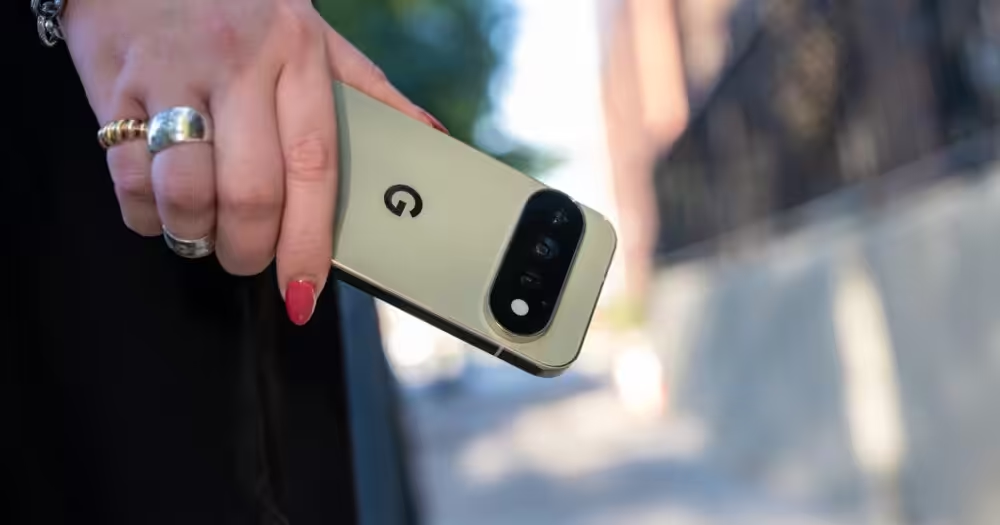
SpaceX has shown investors a prototype of an AI-powered device that is reportedly slimmer and sleeker than an iPhone, according to TechCrunch, citing a Wall Street Journal report. The device is described as ‘handset-like,’ putting it somewhere in the territory between a smartphone and something like the Rabbit R1. SpaceX apparently gave investors and stakeholders a look before anything went public, and made clear the design is still early and could change.
Elon Musk has pushed back hard. He called the report ‘utterly false,’ which is not the first time he has denied a story that later turned out to have legs. Whether the denial holds up remains to be seen.
The timing is interesting. OpenAI is already working on an AI device in partnership with Jony Ive, the designer behind much of Apple’s most iconic hardware. CEO Sam Altman has described it as something more ‘peaceful’ than a smartphone. Reports from late last year suggested the project hit some bumps, and OpenAI has since brought in more Apple talent to help, including Paul Meade, who led the Vision Pro program, to join its hardware team. Musk and Altman have a famously bitter history, and the idea that SpaceX might want to compete directly with OpenAI on hardware is not a stretch.
SpaceX is not without real advantages here. Between SpaceX and Tesla, Musk’s companies have serious manufacturing experience and access to the chips needed to run on-device AI. SpaceX has also been making moves in wireless through Starlink Mobile, which is positioning itself as a direct competitor to Verizon and AT&T. One analyst has even floated the idea of SpaceX acquiring T-Mobile or AT&T, though any deal like that would cost an enormous amount of money.
The reported device would run on a proprietary operating system and pull in technology from xAI, Musk’s AI company that SpaceX acquired earlier this year. That setup would keep the device off platforms like Android, giving SpaceX full control over the software experience and avoiding dependence on Google or anyone else. The goal appears to be building something with AI baked in at the core, not bolted on as an afterthought.
That said, there are real reasons to be skeptical. The AI device space has not been kind to newcomers. Humane launched its AI Pin to poor reviews and worse sales. Rabbit’s R1 had a rough reception too. The graveyard of ‘the next big thing in personal tech’ is full. A company building a prototype does not mean consumers will want to buy the final product.
What is less clear is whether SpaceX is seriously committed to bringing this to market or just testing the idea. Showing a prototype to investors is a long way from a product launch. For now, the most concrete thing here is that someone inside SpaceX thought this was worth building, and that alone makes it worth watching.