Zeabur
Deploy code & services effortlessly with one-click automations
Zeabur is a Platform-as-a-Service (PaaS) that enables developers to deploy services with one click, supporting multiple programming languages and frameworks. Launched in 2022, it automates deployment by analyzing code to detect the language and framework, eliminating the need for Dockerfiles or complex configurations. The platform supports frontend, backend, and database services, with a dashboard for managing services, logs, and domains. Zeabur offers a free tier for static sites and serverless functions, with paid plans offering containerized deployments.
Key features include automatic code analysis, one-click domain binding, and a marketplace with prebuilt templates like MongoDB, Ghost CMS, and Strapi. The platform supports multiple environments (e.g., production, staging) and provides automatic SSL certificates. Pricing is pay-as-you-go, based on CPU, memory, and traffic usage, with a minimum of $5 monthly for the Developer Plan. Compared to Vercel, Zeabur supports more backend languages, while Railway offers additional features like scheduled jobs.
Users praise the platform’s ease of use and fast deployment, often completing in under two minutes. The dashboard provides clear visibility into service status and resource usage. Support is available 24/7, with quick response times noted in user feedback. The marketplace simplifies deploying complex tools, making it ideal for startups and solo developers.
However, some users report unclear pricing, with costs potentially rising for resource-heavy apps. The free tier is limited to static sites and serverless functions, requiring a paid plan for more complex deployments. Developers needing extensive customization may find the automation restrictive compared to Render. Documentation, while detailed, could be more comprehensive for advanced use cases.
For best results, test Zeabur with a small project on the free tier. Monitor resource usage via the dashboard to manage costs. Use the marketplace for quick setups, and contact support for setup questions. Explore competitors like DigitalOcean’s App Platform for larger-scale needs.
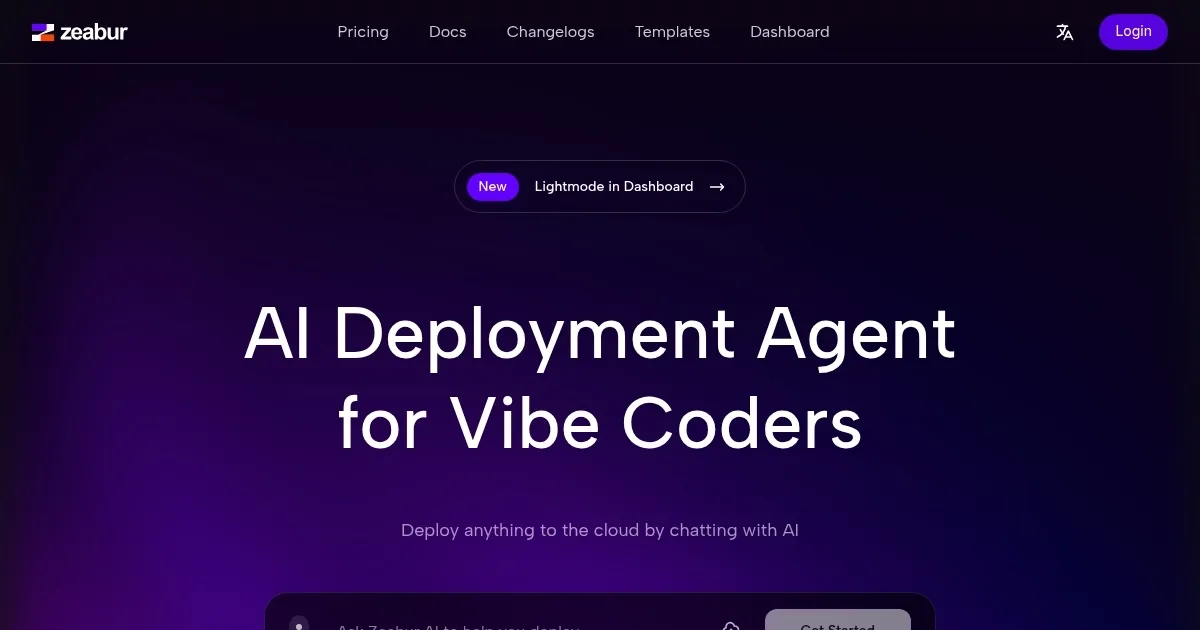
Homepage Screenshot 📸
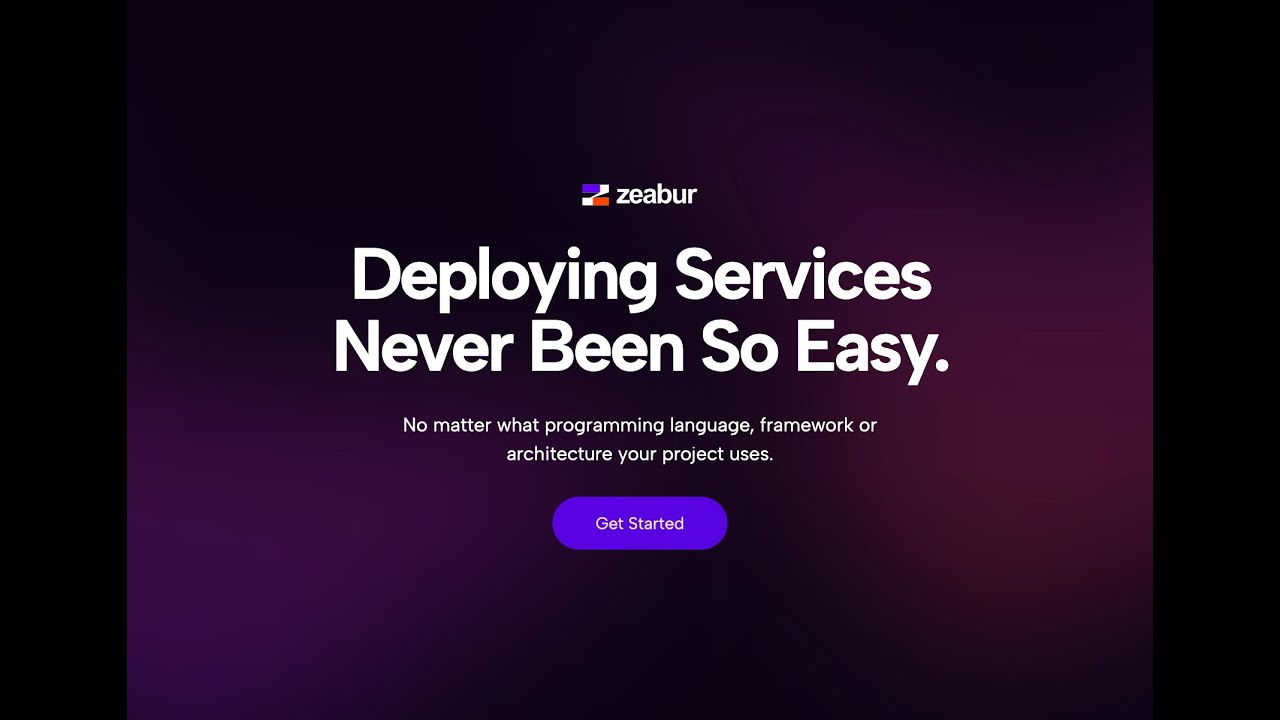
Video Overview 🎬
What are the key features? ✨
- Code Analysis: Automatically detects language and framework for deployment.
- One-Click Domain Binding: Assigns custom or zeabur.app subdomains instantly.
- Marketplace Templates: Deploys tools like MongoDB or Ghost CMS with one click.
- Multi-Environment Support: Manages production, staging, and development environments.
- Pay-as-You-Go Pricing: Charges only for resources used, starting at $5/month.
Who is it for? 🤔
Examples of what you can use it for 💡
- Solo Developer: Deploys a Node.js app with one click, focusing on coding.
- Startup Team: Sets up a WordPress site using a marketplace template.
- Freelancer: Manages a client’s PHP backend with automated scaling.
- Small Business: Runs a MongoDB database for an e-commerce app.
- Hobbyist: Hosts a static blog with a free-tier zeabur.app subdomain.
Pros & Cons ⚖️
- Fast one-click deployments
- Supports multiple languages
- Flexible pricing model
- Limited free tier
- Less control for experts
FAQs 💬
Zeabur alternatives 🔗