
Best AI Short Story Generation Tools
22 toolsRanked by traffic
AI short story generators create complete short fiction from a prompt: a single, self-contained tale you can read in one sitting, with a clear arc from setup to ending. They work best at this compact length, where models hold the whole plot in view. Strong options include Sudowrite, NovelAI, DreamGen, and AI Dungeon.
Writers use them for flash fiction, contest entries, bedtime stories, and quick practice in a new genre or voice. Short form is where AI is at its most reliable: it can sustain a single idea and a consistent tone across a few hundred to a couple thousand words without drifting. Give it a sharp premise and a defined ending, and you'll get a tighter result than asking for something sprawling.
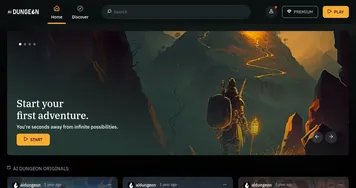

AI Dungeon
An infinitely generated text adventure powered by deep learning


NovelAI
An AI tool for human-like writing for storytelling or authorship
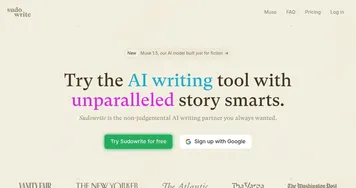
Sudowrite
Helps fiction writers generate prose, brainstorm ideas, and refine stories using specialized AI
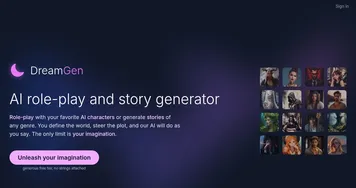

DreamGen
Create and interact with AI characters in various scenarios
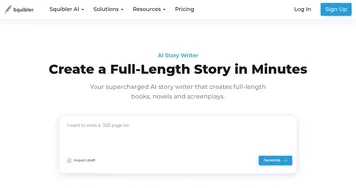

Squibler
An AI platform for authors, screenwriters, and creators looking to streamline their writing
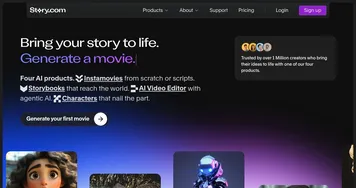
Story.com
Helps you write, illustrate, edit, and publish stories fueled by generative AI
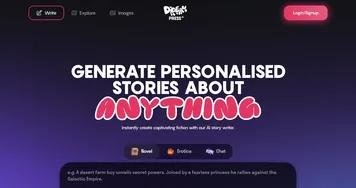
DreamPress
Instantly create captivating fiction with an AI story writer

Talefy
Craft interactive AI-driven stories across diverse genres
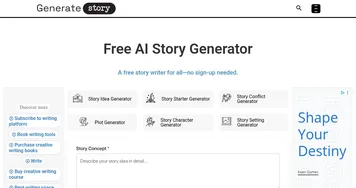
Generate story
Generates unlimited AI-powered stories from simple prompts
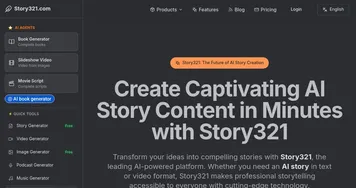

Story321
Generates engaging stories, books, and videos using AI from simple user prompts
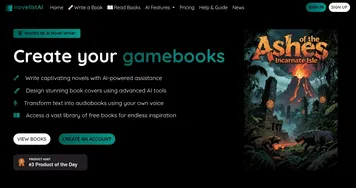

NovelistAI
An AI-driven platform that helps writers craft original novels, stories, and more
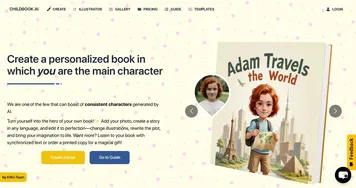
Childbook.ai
Generates personalized children's books with AI illustrations and stories.


Storio
AI writing tool that streamlines the creative process for fiction writers of all levels
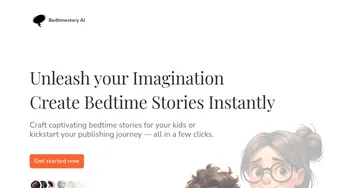

Bedtimestory AI
Generates personalized bedtime stories instantly using AI

Pirr
Create spicy short stories beyond your wildest dreams, either alone or with other users
Frequently Asked Questions
What is the best AI tool for short stories?
The best AI tool for short stories depends on your genre and how much control you want. Sudowrite is strong for literary prose and revision, NovelAI gives precise control over tone, and DreamGen handles character-driven and mature fiction well. For short pieces, most tools perform reliably, so a free trial is the fastest way to choose.
Can AI write a complete short story?
Yes, AI handles complete short stories particularly well. The compact length lets the model hold the entire plot in context, so the beginning, middle, and end stay connected and the tone stays consistent. You'll usually edit for a sharper ending and a less predictable middle, but the draft itself is often solid.
What's the difference between a short story generator and a story generator?
A short story generator targets complete short fiction, one tight piece with a full arc you can read in a single sitting. A general story generator handles stories of any length, including ongoing or interactive ones. Short-form tools optimize for a clean, self-contained result; broader tools trade some consistency for scale and open-endedness.
How long is a short story for AI tools?
Short stories generated by AI typically run from a few hundred to a few thousand words, which fits comfortably within a model's working memory. That range keeps plot and characters consistent throughout. Push much past it and you move into novella and novel territory, where you'll want tools built to track longer manuscripts.
Are AI short stories good enough to publish?
AI short stories can reach publishable quality with real editing, but raw output rarely is. Expect to sharpen the prose, fix predictable beats, and add genuine voice. Note too that many magazines and contests now restrict or ban AI-written submissions, so always check a venue's policy before sending AI-assisted work.