Amazon wants to own the checkout button. Walmart just handed it to your chatbot. That split is the most interesting thing in retail AI right now, and it says a lot about who thinks they can win the next version of online shopping.
Walmart launched Agent Profiles and the Walmart Agent Gateway, which let customers authorize AI assistants to shop for them across Walmart and Sam’s Club. Amazon, meanwhile, keeps blocking third-party shopping bots, including Perplexity and Meta’s Muse. Two giants, two opposite bets.
Agent Profiles arrives next month. You link an assistant like ChatGPT or Gemini to your account, then set spending limits or require manual approval before an order goes through. Walmart likens it to giving someone a company card with a cap. It’s a sensible framing, because the real barrier to agentic shopping isn’t capability. It’s trust.
The gateway is the more technical piece. Instead of forcing bots to click through pages built for human eyes, Walmart uses Anthropic’s Model Context Protocol, so agents can search inventory and check out through a direct connection. That matters because scraping and clicking is brittle, and retailers hate it. MCP is quickly becoming the default plug for this kind of access, and Walmart adopting it gives the standard another big-name backer.
Privacy is handled with a narrow data share. An agent might learn you like a certain sourdough brand, but it doesn’t get your full purchase history or card numbers. There are also hard rules: no changing payment methods, no unauthorized purchases, and instant bans for bots that misbehave. If an agent orders the wrong thing, the normal return policy applies. No Walmart+ membership is required either.
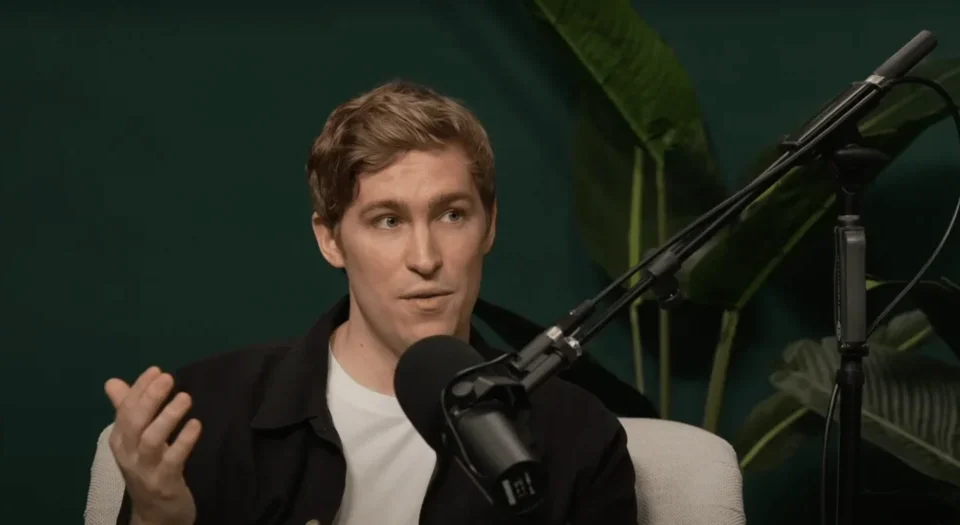
CEO John Furner spoke about building a trusted experience at the Masters of Scale Summit in San Francisco. Mizuho analyst David Bellinger told Reuters that retail leadership backing this shows AI-assisted shopping is becoming a real commercial trend.
So does it matter? Yes, with caveats. Amazon’s logic is clear: it earns heavily from ads and product placement, and an agent that skips the storefront threatens both. Walmart has less to lose there and more to gain from being the easiest store for an agent to buy from. If assistants from OpenAI and Google start defaulting to the retailer that lets them in, Walmart picks up traffic Amazon never sees.
The risk is on the other side. Walmart is trusting third-party agents with real orders, and it will take only a few high-profile mistakes to test those guardrails. Still, this is the first major retailer offering a clear, controlled path for agents. Everyone else now has to pick a side.