Anthropic rents things. That has been its habit, and it is why a $3.4 billion order for natural gas turbines is such a striking move. When a company built on leasing compute decides to own power plant equipment, the power shortage is no longer a talking point. It is a hard constraint.
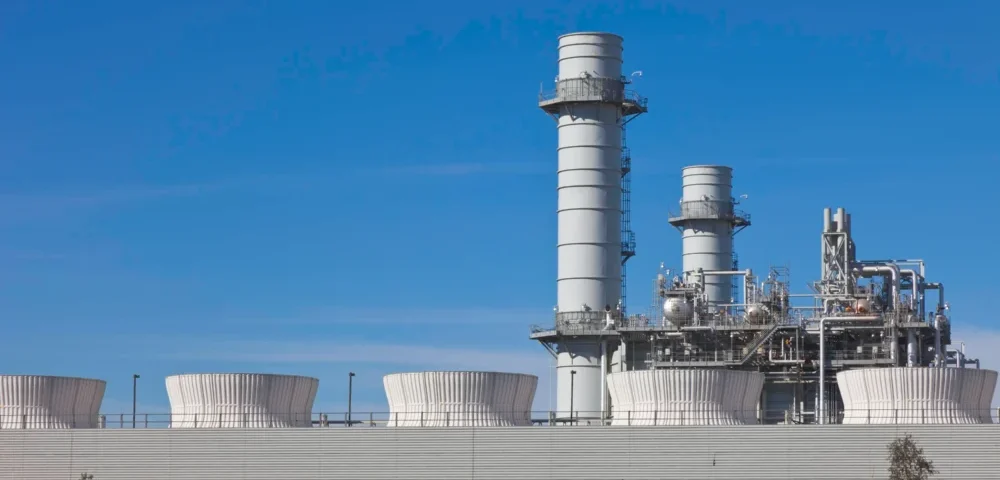
According to a TechCrunch report citing the Financial Times, Anthropic is buying Caterpillar generators that equipment supplier OnePWR originally ordered. Together they can produce up to 1.7 gigawatts. That is serious capacity, roughly the output of a large nuclear plant or a couple of mid-size gas plants.
The background matters here. In its S-1 filing in May, Anthropic disclosed that it pays SpaceX subsidiary xAI $1.25 billion per month through May 2029 for computing power. The company also said it expects to sign more similar services contracts. So the default strategy is clear: rent the compute, let someone else carry the capital burden. The turbine deal breaks that pattern, and Anthropic is reportedly planning to go public this year, which makes a big balance sheet commitment even more notable.
Why break it? Because power is scarce. The backlog for gas turbines stretches into the early 2030s, and grid interconnection queues can be just as long. You can sign all the compute contracts you want, but chips need electricity. Anthropic’s purchase looks like a last resort, and the details support that read. OnePWR ordered the turbines a couple of years ago but couldn’t find financing to complete the purchase. Anthropic had planned to buy from OnePWR, then went straight to Caterpillar instead.
It’s unclear why OnePWR couldn’t get financing with Anthropic as an apparent customer. But there is a plausible competitive angle. Grabbing the capacity directly keeps it out of a rival’s hands, and in a market where turbine slots are this scarce, that alone could justify the price.
Anthropic is also late to a crowded party. Google, Amazon, Microsoft, and Meta have all announced plans for large on-site gas plants to feed their data centers, bypassing the public grid. OpenAI and xAI have chased similar strategies. The difference is that those companies are giant incumbents with deep infrastructure experience. Anthropic is a model lab that, until now, mostly avoided owning hardware.
The broader consequences are not small. The buildout has given fracking a second wind. If it proceeds as planned, U.S. data centers alone could consume more natural gas than Germany and Japan combined by 2035. That is a huge demand shift for one sector.
And there is real risk in the bet. Relying on gas exposes AI companies to price swings. One analyst expects prices could more than triple by the end of the decade in some markets. If that happens, Anthropic may have a serious case of buyer’s remorse, locked into fuel-hungry assets it never wanted to own.
So does this matter, or is it noise? It matters. Model quality still gets the headlines, but the real competition is increasingly about who can secure electrons. Anthropic’s move suggests even the most capital-light AI labs are now being pulled into energy infrastructure, whether they like it or not. Watch for more of this, and for how investors react when the S-1 numbers start including power plants.