Medium just made a bet that the AI writing debate is already over. Its new app, TK, takes a side in a fight the publishing world is still having, and it does so with a product that is free to anyone with a Medium account.
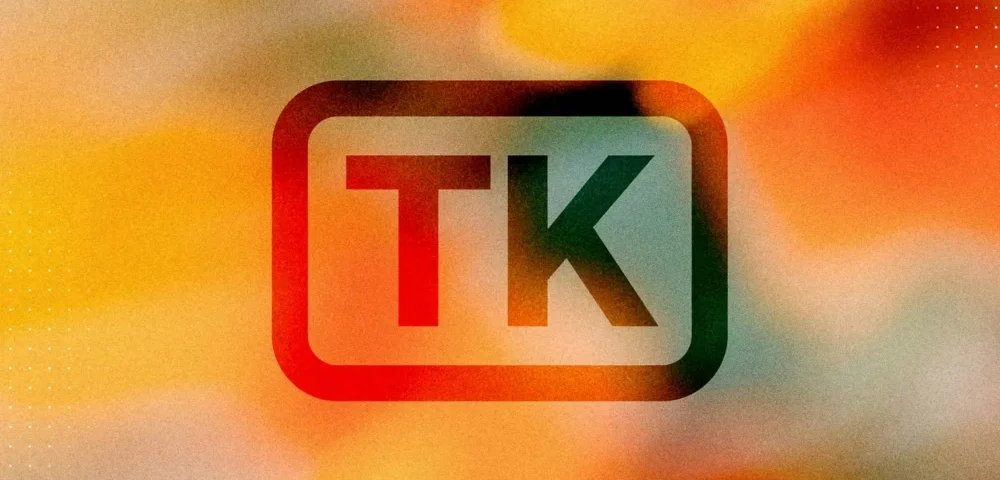
Medium launched TK on Monday. The name comes from newsroom shorthand. Editors use “TK” to mean “to come,” a placeholder for facts to be filled in later. The K replaces the C because “tk” almost never appears inside English words, so proofreaders spot it fast. Here, TK is the thing that fills the blank.
The core interaction is simple. Type “@TK” followed by a request inside the editor, and the assistant responds without you leaving the page. Medium’s example is a quick lookup, like the number of days in a month, that would normally send you to another tab. TK can also pull in notes you saved earlier while you were still working out your ideas. It ships with built-in skills for editorial feedback, headline feedback, and checking a draft against the style guide of a Medium publication.
It goes further than a chat box. TK helps you organize and remember past writing, and it suggests prompts when you’re stuck. It can also connect to your own AI agent through an MCP server or a Claude skill, so it can draw on whatever your agent already knows about your projects and positions. There’s a social layer too, where writers share early drafts and collect human feedback. At launch it’s web only, with a desktop app on the roadmap. It imports and exports Markdown but isn’t a Markdown app. Writing in TK isn’t encrypted, since collaboration is the point, though you can set access permissions.
The timing is awkward, and Medium knows it. Authors have lost book deals over suspicions they used AI, and literary awards have come under scrutiny for the same reason. Writers have used spellcheck and grammar tools for decades. The worry now is that an assistant’s suggestions become the writing itself, instead of reflecting what the author thinks. And AI detectors are unreliable, since models were trained on human prose and can’t cleanly separate “written by AI” from “written with AI” from “not AI at all.”
Medium’s answer is that those distinctions will matter less over time. Its pitch is that “artificial intelligence makes writing more important, not less.” It does concede the risks of low-quality content and blurred authorship. Its fix is transparency: authors can publish notes explaining how AI was used. Medium calls this a start toward making provenance “clear, transparent, and inspectable, right down to the prompting and source material.”
That provenance idea is the most interesting part. Most AI writing tools, from Google Docs’ Gemini features to Notion AI to Grammarly’s newer assistant, focus on output and leave disclosure to the user. Medium is trying to make disclosure a feature. Whether readers care, or whether publishers and award committees accept it, is an open question. A voluntary note is also easy to skip, which limits how much trust it can build.
Still, the business logic is clear. Medium says it’s profitable, and a free tool keeps writers inside its ecosystem instead of drafting in ChatGPT or Claude and pasting the result over. Supporting your own agent through MCP is a smart nod to how many writers already work. TK won’t settle the authenticity argument. But it’s a real attempt to build rules around AI use, rather than pretending it isn’t happening, and that makes it worth watching.