Google built an AI search product that remembers you, then had to add a way to make it forget. That’s the real story behind “temporary threads” in AI Mode, and it says a lot about where conversational search is heading.
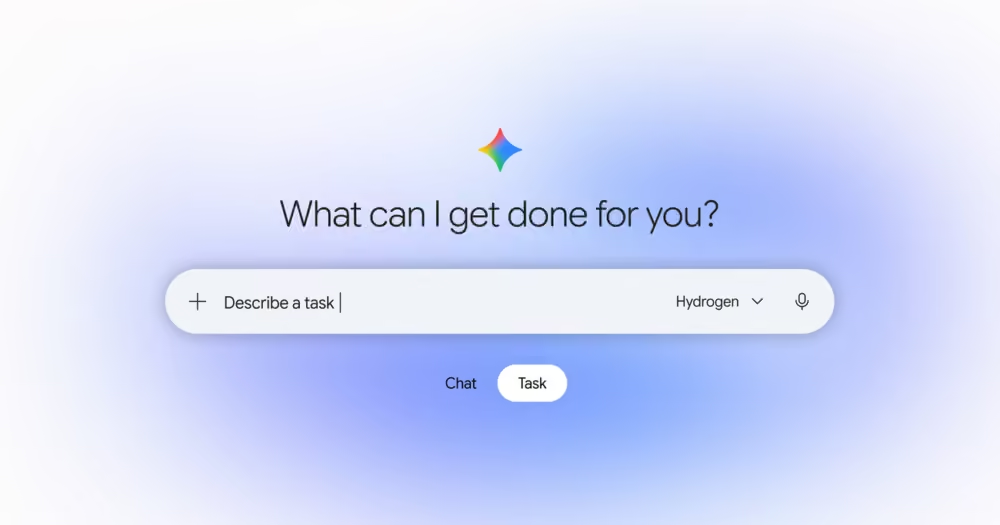
Google announced the feature in a blog post. Conversations held in a temporary thread won’t resurface later in your search history or recommendations. There’s no settings menu to dig through. You click a temporary threads icon in the upper right corner of AI Mode, and the session starts detached from your account.
That detachment works in two directions. The AI’s answers won’t draw on your past preferences, and the conversation won’t shape future personalization. The second part matters more than it sounds. If you spend twenty minutes asking about a medical condition for a relative, or researching a gift, you probably don’t want Google deciding that’s now one of your core interests. When you close the thread, you go back to normal search.
None of this is new for chatbots. Temporary chats already exist in Google’s own Gemini app, and ChatGPT and Claude have comparable modes. What was missing was the same option in AI Mode, which is where many people actually meet Google’s AI. Most of them aren’t opening Gemini. They’re typing a query into Search and getting pushed into a conversation. Leaving that path without a privacy escape hatch was an obvious gap.
The timing makes sense. Conversational interfaces invite people to share far more context than a keyword query ever did. Nobody types a full paragraph about their health, money, or relationship into a search box. They do it in a chat. As AI Mode gets more personal and more tied to your account, the pressure for clean, simple controls grows, from users and from regulators who are watching how AI products handle personal data.
Does it matter? Moderately. It’s not a technical leap, and Google is catching up to a norm that competitors set. But it’s the right default behavior, it’s easy to find, and it’s rolling out globally on desktop and mobile in all supported languages. That’s a wider launch than many Google features get.
The caveat is the usual one with incognito-style modes. Google says the session is detached from your account, but it hasn’t made clear here how long any data is retained for other purposes. Treat it as protection against personalization, not as a promise of total invisibility. Still, for the everyday case of not wanting one odd late-night question to follow you around, it does the job.