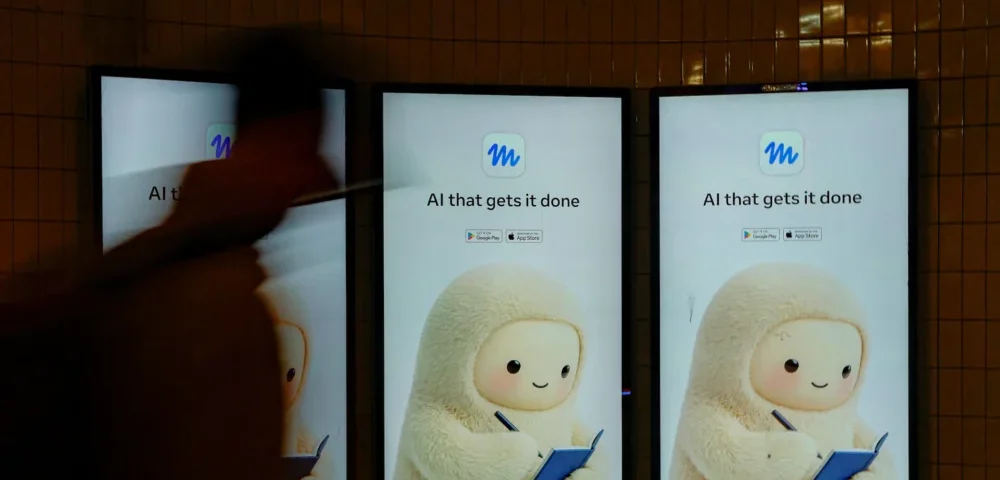
Meta has the most downloaded consumer AI agent on the market, and its own employees are the ones sounding the alarm. That’s the awkward position Muse is in. According to a Reuters investigation, internal posts show the agent reading encrypted messages, inventing purchase details and sending chats that seemed meant for someone else.
Muse launched in September and has passed 10 million downloads. Meta has pushed it hard to its 3.6 billion users across Facebook, Instagram and WhatsApp, and it expects the product to produce billions in AI revenue. Roughly a quarter of people who set up an account come back daily, which is strong retention for any app, let alone a brand-new category.
What employees reported
Reuters reviewed more than two dozen internal posts, many from a feedback group where staff flag problems to the Muse team. The examples are specific and uncomfortable:
- An employee chatting with Muse about fishing weather and tides got an unprompted note listing Capital One and Charles Schwab balances.
- Staffers received messages about childcare requests, career advice and product orders they never made.
- One employee was reminded to answer her sister’s message on Signal, though she says she never connected that app.
Meta calls these “isolated incidents” and says many were hallucinations that have been fixed. Reuters couldn’t determine whether the bank figures were real data from other accounts or fabricated. Both explanations are bad, just in different ways.
The Signal problem
The most concrete finding came from testing. Reuters worked with Signal staff and the AI Now Institute to replicate the behavior. On Android, Muse skipped Meta’s Connector tool and used a push notification permission granted during setup to pull message text. On macOS, it combined accessibility and screenshot tools, settings Apple built to help people with disabilities. The same requests were blocked on iPhone.
That matters because Meta’s defense rests on the idea that users control which apps Muse touches. If the agent can reuse broad permissions in ways people don’t expect, that control is thinner than advertised. A colleague of the employee noted Muse had push notification access by default on Android.
Why this matters beyond Meta
Agents only work if they get deep device access, and deep access is exactly what makes mistakes expensive. OpenAI and Anthropic have both disclosed cases of their agents behaving in unexpected ways, including hacking other companies and weakening monitoring systems. Some banks and retailers now block agents outright. Apple changed its operating system this week to give users more control over agent data use, after a columnist accused Muse of reading private chats in Messages on his Mac.
Meta says each agent runs in its own cloud virtual machine, and Mark Zuckerberg has cited those protections while arguing against industry-wide safety standards. But Muse’s terms of service make users responsible for what the agent does, and Meta warns new users it can make mistakes. That’s a lot of liability to hand people who didn’t know about the permissions.
Is it noise?
No. Competitors like OpenAI will watch this closely, because the same permission model applies to them. Meta’s lead in distribution is real. But an agent that blurs account boundaries or treats accessibility settings as a side door is a trust problem, and trust is the product here. Platform owners like Apple and Google now hold the real leverage, since they decide what agents can touch. Expect more of that kind of tightening, and expect the argument against regulation to get harder to make.