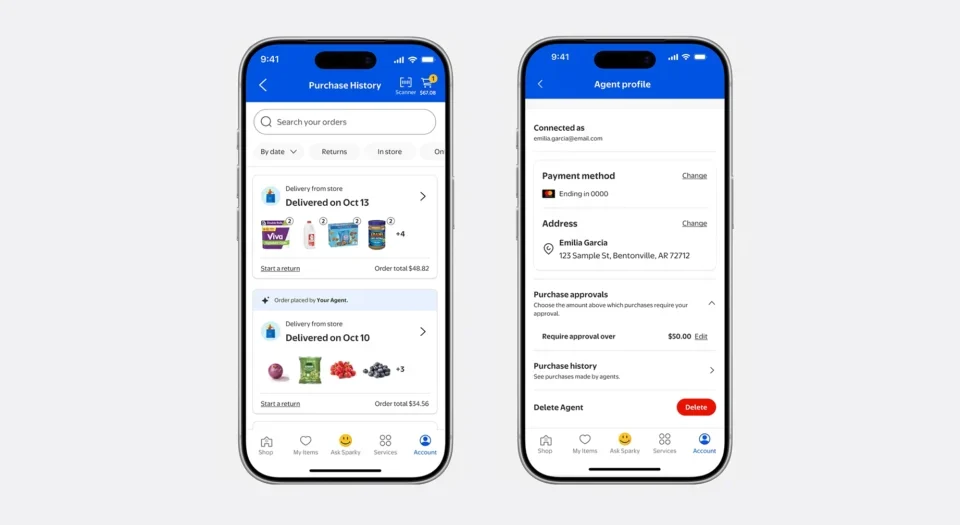
Most AI assistants wait for you to type something. Claude Duet does the opposite, and that’s the whole pitch. Anthropic announced the app as a research preview where Claude shows up with what needs your attention, works in the background, and asks before it acts.
It’s a real shift in product design. Chat is a pull model. Duet is a push model, and that raises harder questions about judgment, trust, and usage costs.
What Duet does
Duet is built around Claude Opus 5.5 and runs as a standalone app on iOS and Android, plus on claude.ai. Each morning it sends a short brief covering the most important items across your connected apps. During the day it watches those apps and messages you only when something needs you. Anthropic says it checks accounts every few hours, because constant polling would burn through plan limits.
You can also hand it tasks, from scheduling meetings to building dashboards, financial or sales forecasts, prototypes, and web apps. It has its own virtual machine with a browser, so work continues when your laptop is closed. You get a notification when something is done or needs review. Memory, skills, and connected apps carry over from your Claude account, and you talk to it by text or voice in one ongoing thread.
Where it plugs in
Duet can use the more than 6,000 connectors and plugins in the Claude Marketplace. The examples lean heavily toward small business operations:
- Gmail and Slack: find missed messages and help you reply
- QuickBooks and Stripe: spot unpaid invoices and draft reminders
- Gusto: prepare and run payroll
- LinkedIn and Docusign: draft job posts and agreements, then send after your approval
- HubSpot, Canva, and Shopify: follow-ups, social campaigns, and store management
That list puts Duet in the same arena as OpenAI’s agent products and Microsoft’s Copilot, but aimed at owners rather than enterprise IT. The connector count is the strongest card Anthropic holds here.
The safety design
An agent that reads your email and sends messages is a leak risk by definition, and Anthropic clearly knows it. Duet never directly sees passwords or sign-in tokens, borrowing the credential design from Claude Managed Agents. Actions pass through the auto mode classifier used in Claude Code. Defenses against prompt injection come from the company’s browser-use research, and the system has been red-teamed, externally penetration tested, and covered by a public bug bounty.
There’s also a new classifier and system prompt that screens each message. It rejects requests to share the strictest tier of data, such as credit card numbers and government ID. Health and personal finance details go out only if you explicitly say so. And Duet shows you exactly what it will do before it sends, pays, signs, or deletes. Trading securities and moving money between accounts are off-limits entirely.
Availability and what to watch
Access is by waitlist, starting with US Pro and Max subscribers. Duet is included in those plans and shares the same usage limits as the rest of Claude, so there’s no separate fee yet. That shared limit is the catch. A proactive agent running all day could eat allowances quickly, and Anthropic’s own note about polling intervals hints at it.
The early testimonials are modest but telling: a calendar mistake caught unprompted, a call flagged because it sat right before a flight. Those are small wins. But small, unrequested catches are exactly what would make people keep an agent around.
So does it matter? Yes, if the judgment holds up. Anyone can wire an LLM to Gmail. Knowing what deserves your attention, and what doesn’t, is the hard part, and Anthropic admits it is still tuning that. Watch how many notifications testers mute.