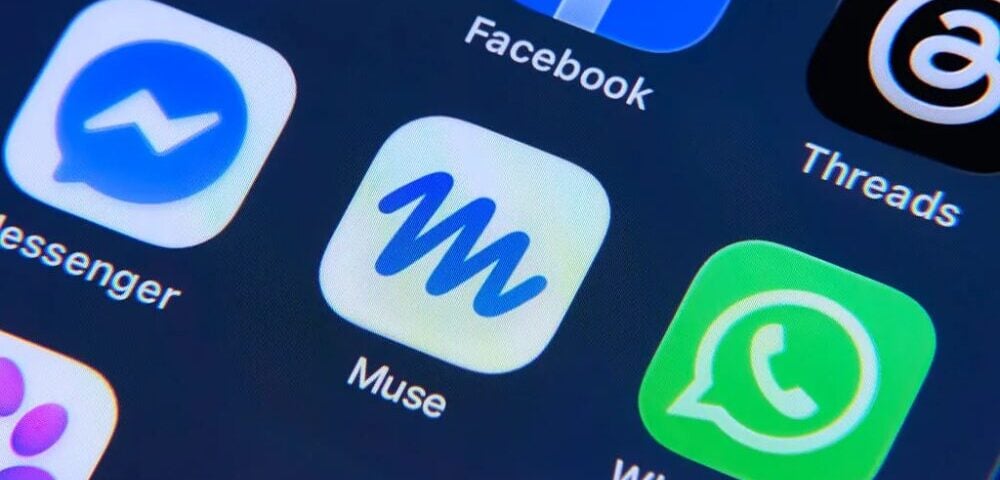
Instagram took 15 years to release a proper iPad app. Meta’s Muse did it in one month. That contrast says more about Meta’s current priorities than any press release could.
According to TechCrunch, Muse launched on iPhone and Android on September 8, crossed 6.6 million installs by early October per Sensor Tower estimates, and now has a dedicated iPad app. The speed is deliberate. Meta is clearly treating Muse as a top-tier product, not a side experiment, and the rollout pace reflects that.
For those unfamiliar, Muse is Meta’s consumer AI agent. It connects to your email, calendar, and bills, and can complete tasks like booking restaurants, ordering groceries, setting spending goals, and making purchases. The interface is text-heavy, which is part of why the iPad port was relatively straightforward compared to something like a photo-sharing app. But the simplicity of the interface doesn’t mean the product is simple. The agent model is ambitious.
The connectors ecosystem is where things get interesting. Muse lets users sign into third-party services selectively, giving the agent access only to the parts of their digital life they choose. The iPad release added a solid batch of business-focused connectors including Asana, Canva, Dropbox, Figma, GitHub, QuickBooks, Klaviyo, and Zoom. Notion and Granola also joined the list. This is a direct play for professionals and small business owners, not just casual users.
On the retail side, Meta has added Best Buy, Gap, Sephora, Walmart, and Wayfair as partners, letting Muse browse those sites and complete transactions on a user’s behalf. That puts it in direct competition with what Amazon is trying to do with its own agent efforts, and with startups like Perplexity, which has been quietly building shopping features into its assistant.
There is one real friction point. Retailer websites often block AI agents because they look like bots. Meta is working on this, and on Tuesday the company announced a collaboration with industry partners on an open standard that would let personal AI agents identify themselves to businesses. The goal is to distinguish legitimate agents from scrapers and malicious bots. It’s a necessary infrastructure problem to solve if agentic commerce is going to work at scale.
The broader context here is that the AI agent space is filling up fast. OpenAI, Google, Anthropic, and a growing list of startups all have some version of this vision. What Muse has right now is distribution through Meta’s existing user base and an install count that most competitors would take seriously. Whether it can convert those installs into daily active users who actually let it touch their inbox and credit card is the real test ahead.