Britannica Chatbot
A digital librarian drawing from over 130,000 meticulously fact-checked articles
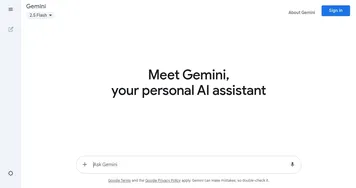
As you would expect from the Britannica Chatbot, it acts as a digital librarian — drawing from over 130,000 meticulously fact-checked articles. Unlike others that scour the (entire) internet, this chatbot sticks to Britannica’s trusted content to ensure accuracy and depth. Powered by Google’s Gemini tech, it offers a conversational experience that’s informative and reliable.
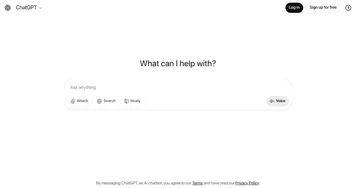
In other words, Britannica Chatbot is your seasoned scholar assistant who can answer queries on history, science, arts, and other subjects. That’s the experience Britannica aims to provide. While ChatGPT boasts a massive user base, Britannica focuses on delivering precise information — avoiding AI hallucinations along the way. In a way, it’s like choosing a well-researched book over a hastily written article.
One cool feature, “On This Day,” provides daily historical insights, making learning a continuous journey. And if Britannica can’t help with your query, it will defer to ChatGPT, albeit with a disclaimer — all in an effort to deliver an experience you can trust.
For students, educators, and lifelong learners – Britannica’s chatbot is (obviously) a valuable tool — delivering consistent and accurate information. And in an era where misinformation spreads rapidly, having a dependable source is invaluable.
To sum it up – Britannica Chatbot is all about offering solid information. Its strength lies in its legacy and commitment to accuracy, and we’re sure it will find its audience among the fans of good ol’ encyclopedias.
Homepage Screenshot 📸

Video Overview 🎬

What are the key features? ✨
- Fact-checked responses: The chatbot provides answers sourced directly from Britannica's extensive database, ensuring information is accurate and trustworthy.
- Topic-specific filtering: Users can narrow down their queries to specific subjects like science, history, or arts to make the search process more efficient and tailored.
- "On This Day" insights: Daily historical facts are presented, offering users a glimpse into significant events that occurred on the same date in history.
- Transparent limitations: If the chatbot cannot answer a question, it openly communicates this and may refer to external sources like ChatGPT, always with a disclaimer.
- Continuous content updates: Britannica regularly updates its articles to ensure the chatbot's responses reflect current information.
Who is it for? 🤔
Examples of what you can use it for 💡
- Students can get reliable explanations on different topics
- Teachers can use the chatbot to gather accurate information and resources for crafting lesson plans
- Authors and journalists can quickly access verified facts and historical data to support their writing projects
- Lifelong learners can explore new topics or delve deeper into areas of interest
- Anyone needing to verify a piece of information can use the chatbot for swift and accurate fact-checking
Pros & Cons ⚖️
- Reliable information drawing from Britannica's extensive database
- Clearly communicates its limitations to maintain trust and credibility
- Content is consistently refreshed to reflect the latest information and discoveries
- Limited scope as it primarily relies on Britannica's database
FAQs 💬
Ready to try Britannica Chatbot?
A digital librarian drawing from over 130,000 meticulously fact-checked articles
Visit Britannica ChatbotBritannica Chatbot alternatives 🔗