Private AI
Redacts PII from text, PDFs, and more to ensure privacy compliance
Private AI is a de-identification tool that detects and anonymizes over 50 types of personally identifiable information (PII) across text, PDFs, images, and audio in 52 languages. It ensures compliance with privacy regulations like GDPR, CPRA, and HIPAA. Deployable on-premise or in the cloud, it supports over 10 file types and uses advanced transformer architectures for high accuracy.
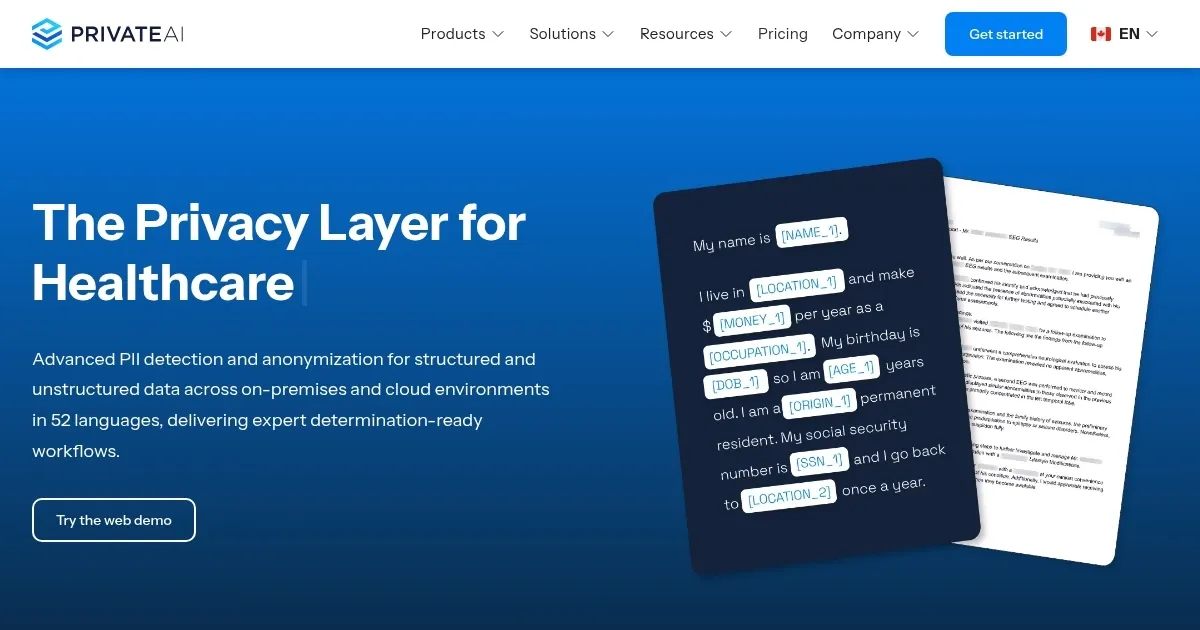
The tool’s Text De-Identification feature scans unstructured data, such as emails or chat logs, and replaces PII with placeholders. It achieves less than half the error rate of competitors like Amazon Comprehend or Microsoft Azure Cognitive Services. PrivateGPT, another key feature, scrubs PII before data is sent to large language models like ChatGPT, ensuring privacy during LLM use. The tool also supports Document & File Redaction, handling formats like PDFs and audio, and allows customization, such as toggling specific PII entities or creating allow/block lists.
Private AI offers a free API key with 500 calls (about 50,000 words) for testing, with paid plans for larger-scale use. Pricing aligns with enterprise solutions, comparable to Google Cloud DLP. The web demo lets users test redaction capabilities in real-time, supporting both text and file uploads. Deployment is flexible, with on-premise options ensuring data never leaves your infrastructure.
Limitations include a learning curve for setup, particularly for on-premise deployments, which require technical expertise. Processing times for large files, like audio or PDFs, can take up to 1-2 minutes. Some users report challenges with niche languages or highly irregular data formats. The free tier’s API limits may feel restrictive for extensive testing.
For businesses handling sensitive data, Private AI provides robust tools to maintain privacy while leveraging AI. Test the free demo to evaluate its fit for your needs, and consider your team’s technical capacity when choosing between cloud or on-premise deployment.
Homepage Screenshot 📸
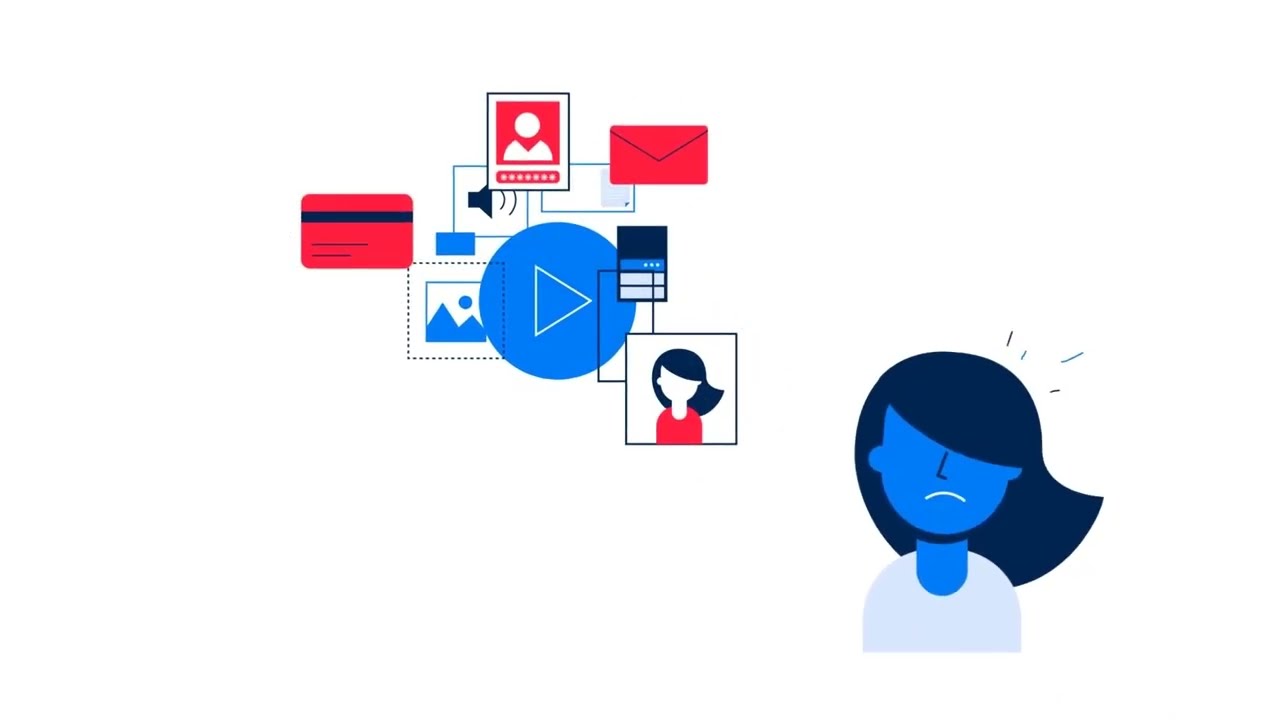
Video Overview 🎬
What are the key features? ✨
- Text De-Identification: Detects and redacts PII in unstructured text across 52 languages.
- PrivateGPT: Scrubs PII before sending data to LLMs like ChatGPT for secure use.
- Document & File Redaction: Removes PII from PDFs, images, and audio files.
- Customizable Outputs: Allows toggling of PII entities and creating allow/block lists.
- On-Premise Deployment: Ensures data stays within your infrastructure for maximum control.
Who is it for? 🤔
Examples of what you can use it for 💡
- Healthcare Providers: Redact PII from patient records to comply with HIPAA while analyzing clinical narratives.
- Financial Institutions: Anonymize customer data in transaction logs for secure AI-driven fraud detection.
- Legal Firms: Remove sensitive client information from case documents before sharing with external AI tools.
- Customer Support Teams: Clean PII from chat logs to safely use LLMs for response automation.
- Data Scientists: Prepare unstructured datasets for machine learning without privacy risks.
Pros & Cons ⚖️
- Supports 52 languages
- PrivateGPT for secure LLM use
- Free API key for testing
- Setup can be complex
- Free tier limits testing
FAQs 💬
Ready to try Private AI?
Redacts PII from text, PDFs, and more to ensure privacy compliance
Visit Private AI