TestRail by Sembi
Centralizes QA testing to accelerate software releases
TestRail is a centralized test management platform that orchestrates QA processes for software teams. It supports building test cases, connecting integrations, and optimizing workflows through features like reusable test organization and flexible plans.
Test case management allows design of processes with cases in a central repository, organized by folders. Test plans enable collaboration on cycles within runs, plans, and milestones. Execution records results across versions and environments, including screenshots, attachments, and defect reports.
Traceability connects tests to requirements in tools like Jira, GitHub, and Azure DevOps. Coverage identifies gaps in plans, regardless of requirement tracking location. Historical records maintain compliance data and reports for audits.
Automation integrates with frameworks such as JUnit, Cypress, and Robot Framework via API. CI/CD embeds in Jenkins, GitLab, and GitHub Actions. Oversight centralizes reporting for analysis and team visibility.
Analytics provides real-time data visualization to detect risks pre-release. Optimization compares results across runs, configurations, and milestones. Insights use reports to isolate issues and refine processes.
Competitors include qTest for enterprise-scale automation and Testmo for streamlined runs. TestRail offers professional and enterprise plans in cloud or on-premise, with enterprise adding SSO, auditing, and parameterization; it provides higher ROI than qTest per Forrester metrics.
Users appreciate intuitive UI and integrations for time savings, up to three hours weekly per member. Some report initial setup complexity and higher costs for small teams. AI test case generation surprises with 90% faster creation from stories.
Advice: Integrate with existing CI/CD first, then expand to full traceability for quick wins.
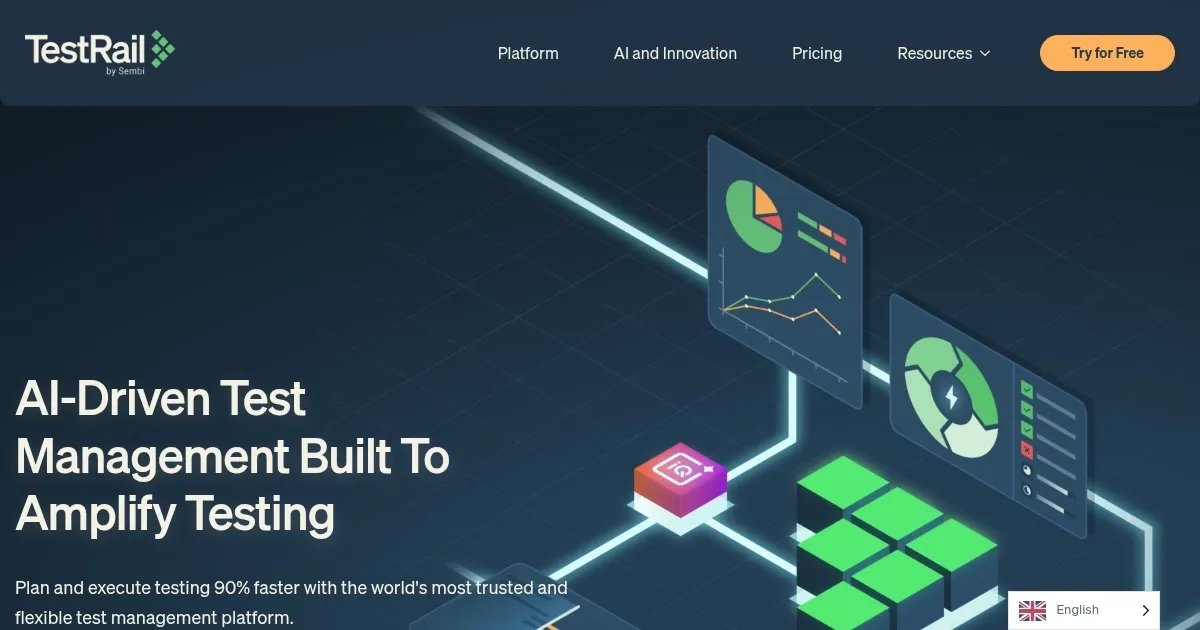
Homepage Screenshot 📸
Video Overview 🎬

What are the key features? ✨
- Intuitive Test Case Management: Designs reusable test cases organized in folders within a central repository for efficient process building.
- Flexible Test Plans: Builds and collaborates on agile or waterfall test cycles within runs, plans, and milestones to fit team needs.
- Fast Test Execution: Records results across versions and environments, adds screenshots and attachments, and generates defect reports quickly.
- Instant Traceability: Links tests to requirements in Jira, GitHub, Azure DevOps, and more for seamless compliance.
- Test Automation Integrations: Connects with JUnit, Cypress, Robot Framework, and others via API for centralized automated reporting.
Who is it for? 🤔
Examples of what you can use it for 💡
- QA Engineer: Organizes test cases and executes runs across environments to ensure comprehensive coverage before sprints.
- DevOps Lead: Integrates automation results from CI/CD pipelines for real-time visibility into release readiness.
- Product Manager: Reviews traceability reports linking requirements to tests, identifying gaps in feature validation.
- Compliance Auditor: Accesses historical records and coverage analytics to verify adherence during regulatory checks.
- Test Automator: Uploads results from frameworks like Cypress via API, centralizing manual and automated insights.
Pros & Cons ⚖️
- Strong Jira integration
- Saves 3 hours weekly
- 204% ROI potential
- Costly for small teams
- Initial learning curve
FAQs 💬
TestRail alternatives 🔗