Browzwear
Creates accurate 3D virtual garments for efficient fashion development.
Browzwear is a comprehensive platform for digital apparel design and development. It integrates 3D modeling, AI-driven validation, and cloud collaboration to create virtual garment twins. Key components include VStitcher for design, Stylezone for team reviews, Lotta for style variations, Fabric Analyzer for material simulation, and an Open Platform for integrations.
VStitcher handles 2D pattern creation and 3D simulation with realistic physics. Users import patterns, apply digitized fabrics, and simulate fits on avatars. AI tools validate proportions, achieving 95% first-time accuracy for brands like Puma and Walmart. Recent 2025.2 updates add automation for faster iterations and error reduction.
Stylezone supports real-time collaboration. Teams upload 3D assets, annotate designs, generate tech packs, and manage workflows. It includes merchandising tools for collection visualization and asset libraries for reuse. Feedback from G2 users highlights its efficiency in aligning design and production teams.
Lotta focuses on block-based workflows. Designers start with validated bases and generate style variations quickly. It integrates with VStitcher for seamless transitions to full simulations. Fabric Analyzer measures physical properties like stretch and sheen, applying them digitally for precise renders.
The Open Platform connects with PLM systems and third-party tools. It enables custom automations and API access for scaling operations. Competitors include CLO 3D for intuitive solo design and Optitex for pattern precision, but Browzwear excels in enterprise collaboration. Subscriptions scale by users, offering value over per-project fees in rivals.
Users appreciate accurate simulations and cost savings from reduced sampling. Challenges involve a learning curve and occasional support delays. For implementation, begin with onboarding sessions, prioritize VStitcher training, and integrate one module at a time to build proficiency.
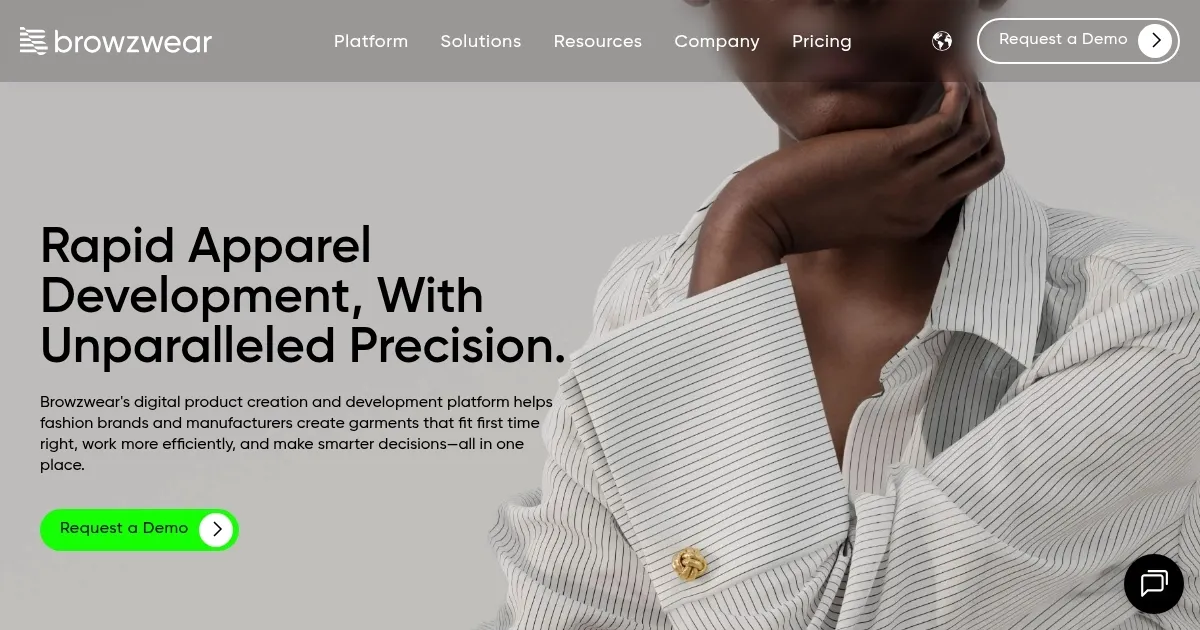
Homepage Screenshot 📸
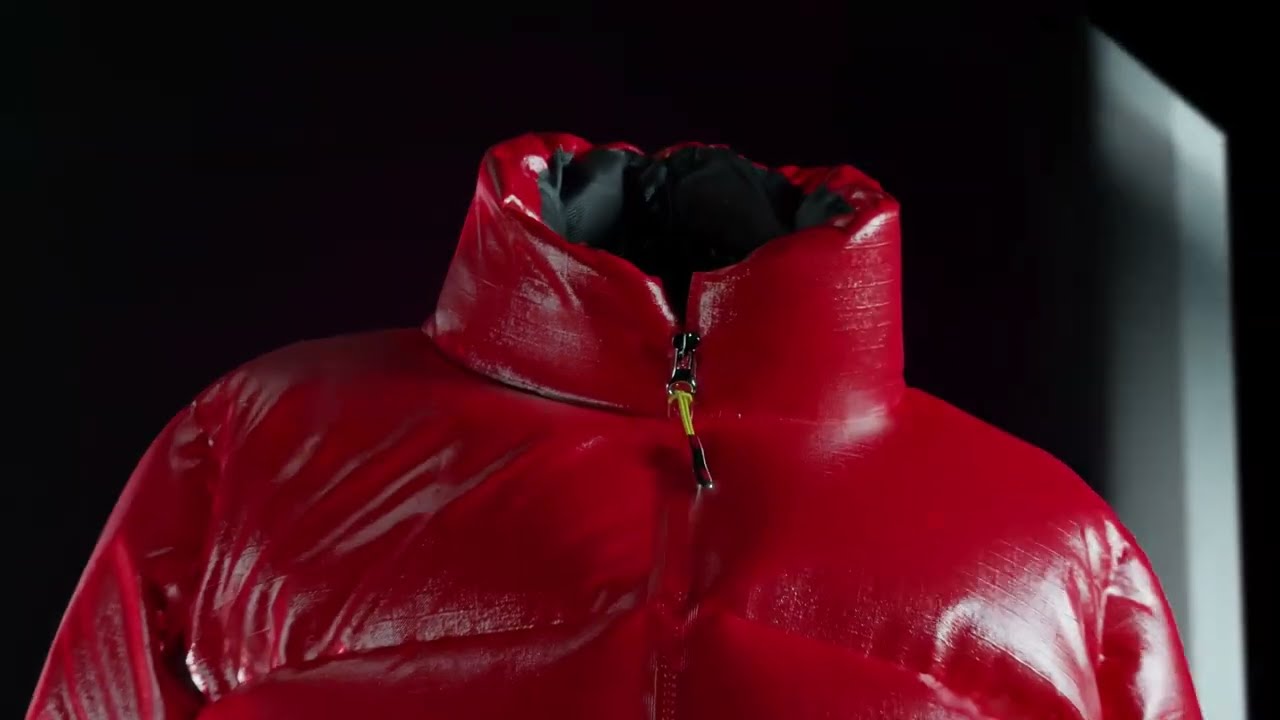
Video Overview 🎬
What are the key features? ✨
- 3D Virtual Twins: Builds lifelike digital garments using advanced simulation for fit and drape accuracy.
- AI Fit Validation: Analyzes proportions and flags issues to ensure 95% first-time-right outcomes.
- Real-Time Collaboration: Enables team feedback and approvals via cloud-based asset sharing.
- Fabric Digitization: Scans physical materials to replicate textures and physics in simulations.
- Open Integrations: Connects with PLM and other tools for seamless workflow automation.
Who is it for? 🤔
Examples of what you can use it for 💡
- Fashion Designer: Crafts 3D prototypes from 2D patterns to test fits virtually before sampling.
- Product Manager: Reviews collections in Stylezone to align teams on merchandising and approvals.
- Manufacturer: Uses tech packs and simulations to prepare production with minimal revisions.
- Merchandiser: Visualizes seasonal lines on diverse avatars for buyer presentations.
- Sustainability Lead: Reduces fabric waste through digital iterations and accurate validations.
Pros & Cons ⚖️
- Realistic 3D sims
- Strong collab tools
- AI boosts accuracy
- Cuts sampling costs
- Steep learning curve
- Support can lag
FAQs 💬
Ready to try Browzwear?
Creates accurate 3D virtual garments for efficient fashion development.
Visit BrowzwearBrowzwear alternatives 🔗