InfraNodus
Visualizes text as networks to uncover insights and gaps
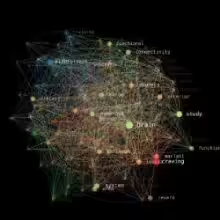
Imagine a tool that takes the chaos of words — your notes, a research paper, a pile of tweets — and spins them into a visual map, a kind of constellation where ideas glow and connect. That’s InfraNodus, a text network analysis platform that’s like a flashlight for your brain’s dusty corners. I think it’s one of those tools that makes you feel smarter just by using it, turning raw text into a network graph that highlights what matters and what’s missing. It’s not just about seeing words, it’s about seeing how they dance together, or where they’re awkwardly standing apart.
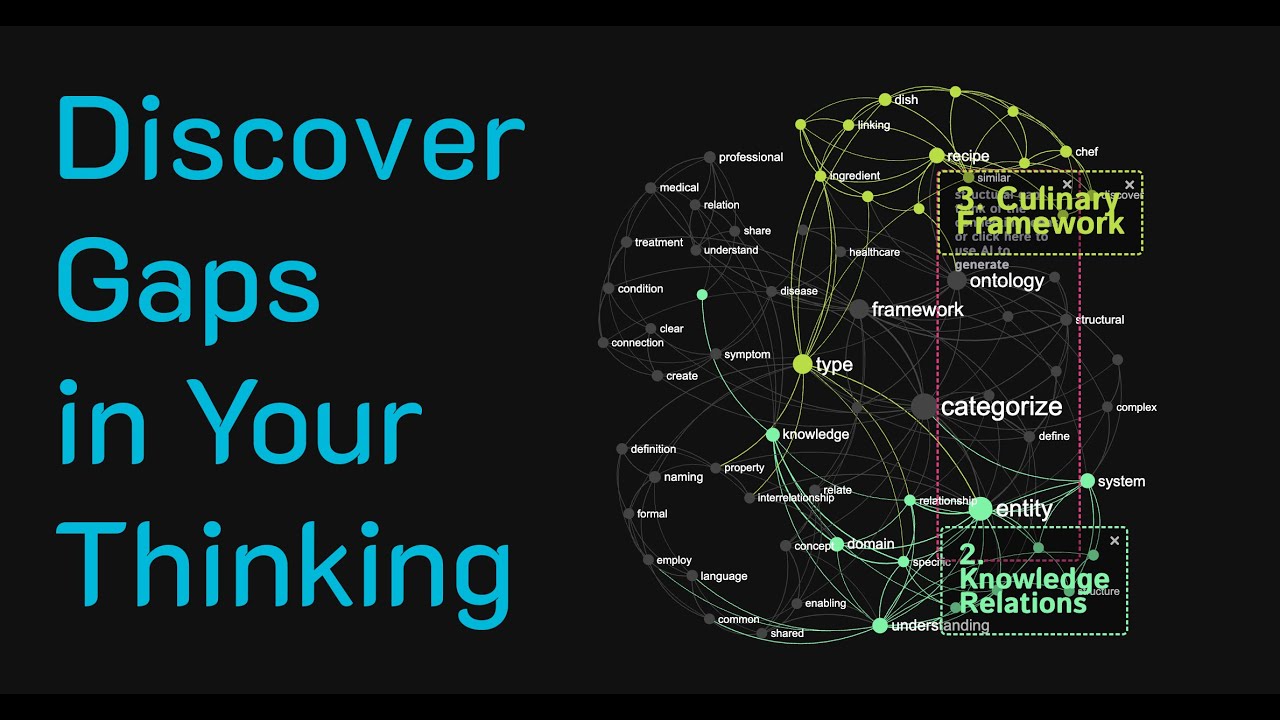
The magic starts when you feed InfraNodus any text — say, a PDF, a webpage, or even your own scattered thoughts. It uses natural language processing and AI, leaning on models like GPT-4, to break down the text into nodes (words or concepts) and edges (their relationships). These are plotted using a Force-Atlas algorithm, which clusters related ideas and spreads out the big players, making the structure of the discourse pop. The result? A colorful, interactive graph where you can spot the heavy-hitting keywords, the topical clusters, and — most intriguingly — the gaps where ideas aren’t connecting. It’s like being handed a treasure map where X marks the spot for new insights.
What’s delightful is how InfraNodus feels like a partner in crime for brainstorming. Its “structural gaps” feature pinpoints where clusters of ideas don’t link, suggesting questions or prompts to bridge them. For example, analyzing a competitor’s website might reveal they’re all about “sustainability” but ignoring “community impact” — a gap you could exploit. The tool also offers sentiment analysis and topical clustering, which are handy for digging into customer feedback or academic papers. It supports multiple languages, from English to Japanese, and integrates with data sources like Google Trends or PubMed, making it a Swiss Army knife for researchers, marketers, or writers.
But it’s not all smooth sailing. The interface, while visually striking, can feel like a maze for new users. There’s a learning curve, and I suspect some folks might get lost in the graph’s complexity before they master it. Compared to competitors like Voyant Tools or Gephi, which focus on simpler text or network analysis, InfraNodus’s blend of AI and graph theory is unique but demands patience. It’s also not the cheapest option out there, with a subscription model that might sting for casual users, though it’s competitive with tools like Leximancer for what it offers.
The surprise? InfraNodus’s open-source roots and crowdfunded ethos. It’s not a venture-backed giant, which gives it a refreshing independence. You can even tinker with its code on GitHub if you’re feeling geeky. My advice: start with the 14-day free trial, play with a small dataset, and click around the graph to get a feel for it. Don’t rush, let the tool’s quirks teach you how to think in networks.
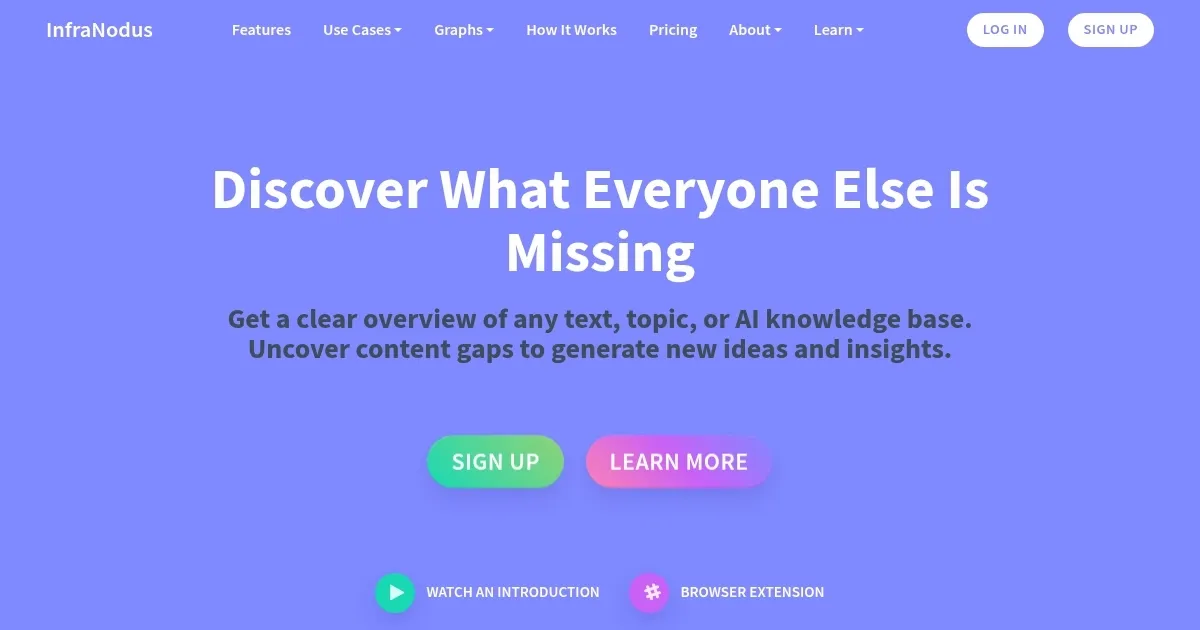
Homepage Screenshot 📸
Video Overview 🎬
What are the key features? ✨
- Text-to-Graph: Converts text into a network graph to visualize relationships.
- Structural Gaps: Identifies unconnected idea clusters for new insights.
- Sentiment Analysis: Analyzes text tone to understand emotional context.
- Topical Clustering: Groups related concepts to highlight main themes.
- Data Integration: Imports data from Google Trends, PubMed, and social media.
Who is it for? 🤔
Examples of what you can use it for 💡
- Researcher: Analyzes academic papers to find research gaps.
- Marketer: Examines competitor websites to identify content opportunities.
- Writer: Brainstorms ideas by visualizing notes as a mind map.
- Data Analyst: Processes survey responses to uncover thematic patterns.
- SEO Specialist: Studies search trends to target unexplored keywords.
Pros & Cons ⚖️
- Visualizes complex text relationships clearly.
- AI prompts spark creative ideas.
- Supports multiple languages and data sources.
- Open-source option available.
- Interface has a steep learning curve.
- Performance varies with large datasets.
FAQs 💬
InfraNodus alternatives 🔗