Keep
Manages alerts at scale through integrations, workflows, and AI-driven correlation
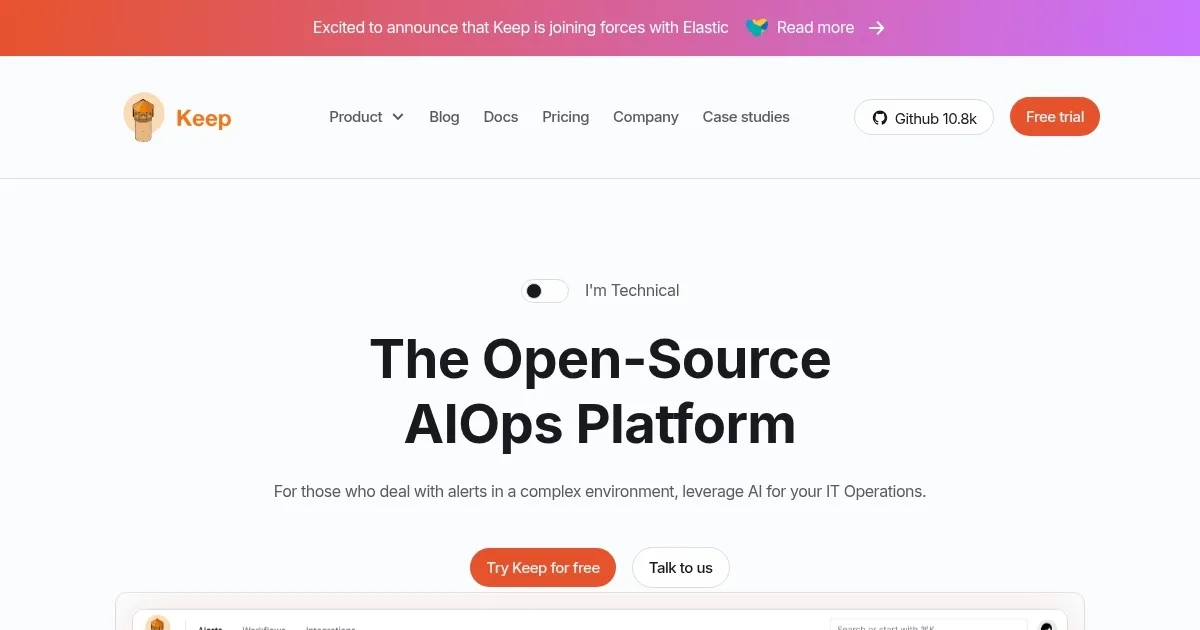
Keep is an open-source AIOps platform that manages alerts and incidents at scale, providing a single pane of glass, bidirectional integrations, automation workflows, and AI-driven correlation.
The platform supports over 110 integrations across categories like observability tools, databases, communication platforms, and incident management systems. It uses Common Express Language for advanced querying and rule-based grouping to reduce noise. The workflow engine, based on YAML with a UI, allows automation such as enriching alerts, updating tickets, and executing scripts.
Enterprise features include AI for alert correlation and summarization, based on past incidents and knowledge bases. Deployment options cover self-hosted, cloud-managed, and on-premises setups. Pricing starts free for open-source, with paid tiers offering more workflows, integrations, and support.
Competitors include BigPanda for similar AIOps correlation, PagerDuty for alert management, and OpsGenie for incident response. Keep’s open-source model provides cost advantages over these proprietary solutions, though paid plans are needed for advanced AI.
Users benefit from reduced alert fatigue through deduplication and filtering, but may face setup complexity in self-hosted environments. The bidirectional sync ensures data consistency across tools.
To implement Keep, begin with Docker Compose for testing, then integrate key providers and build workflows step by step.
Homepage Screenshot 📸
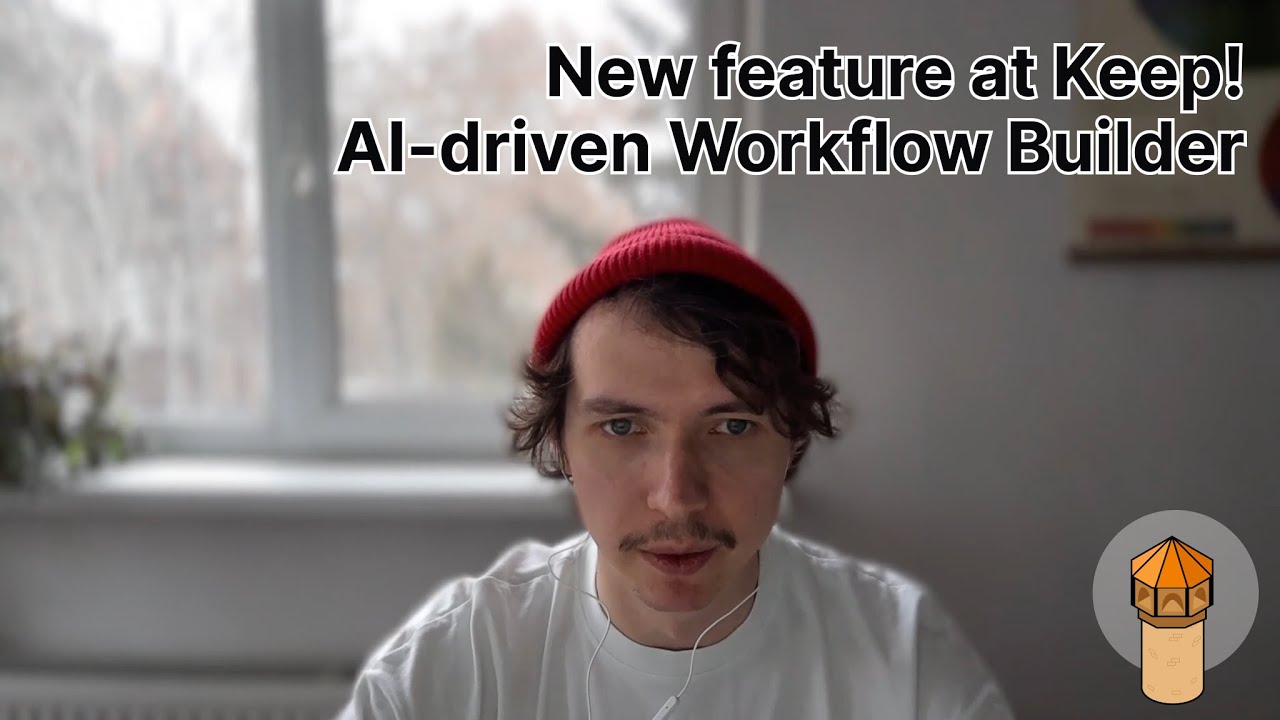
Video Overview 🎬
What are the key features? ✨
- Integrations: Offers bidirectional connections with over 110 providers for seamless alert syncing.
- Single Pane of Glass: Provides a unified view for collecting and querying alerts using Common Express Language.
- Workflow Engine: Automates processes with YAML-based triggers and actions, including UI support.
- Noise Reduction: Uses rule-based grouping and deduplication to minimize alert fatigue.
- AIOps Correlation: Employs AI to correlate alerts based on historical data in enterprise plans.
Who is it for? 🤔
Examples of what you can use it for 💡
- SRE: Automates alert enrichment and ticket creation to speed up incident response.
- IT Operator: Queries alerts across sources for quick analysis and noise reduction.
- Engineer: Builds custom workflows to integrate with databases and notification tools.
- Startup Team: Uses free tier for basic alert management and scaling integrations.
- Enterprise Manager: Applies AI correlation to handle thousands of daily alerts efficiently.
Pros & Cons ⚖️
- Extensive integrations
- Automation flexibility
- Open-source option
- Reduces fatigue
- Setup complexity
- AI paywalled
FAQs 💬
Ready to try Keep?
Manages alerts at scale through integrations, workflows, and AI-driven correlation
Visit Keep