Semgrep
Scans codebases for vulnerabilities using AI-assisted static analysis
Semgrep is a static application security testing platform that uses AI to scan code for vulnerabilities in SAST, SCA, and secrets detection while minimizing false positives.
The tool employs semantic pattern matching on over 30 languages to identify issues like injections and deserializations. Dataflow reachability analysis reduces false positives in dependency vulnerabilities by up to 98 percent. Semgrep Assistant provides remediation guidance and auto-fixes based on user triage history, achieving 96 percent alignment with human decisions. Scans complete in a median of 10 seconds during CI runs. Integrations include PR comments, Jira, IDE plugins, Slack, and a REST API for custom workflows.
Competitors include Snyk, which focuses on open-source dependencies and container security but requires more configuration for full SAST. Checkmarx offers deep enterprise analysis across languages but involves complex C#-based rule writing and longer setup times. Semgrep’s code-like rules and AI filtering provide faster onboarding and lower noise compared to both.
Users report high fix rates due to contextual findings and inline suggestions. The platform supports custom policies for OWASP Top 10 enforcement and extends to AI-generated code via Model Context Protocol. Transparency in AI decisions allows auditing of triage outcomes. Recent updates include interfile analysis for Scala and enhanced Jira integrations.
The free tier covers community rules and basic scans but lacks cross-file analysis and AI features. Pro plans add pro rules, reachability, and Assistant for up to 10 free contributors. Enterprise includes dedicated support and volume pricing. These tiers generally cost less than Checkmarx for similar scale but more than Snyk’s open-source options for SCA alone.
Readers may appreciate the quick value in reducing triage time by 50 percent and seamless CI/CD embedding. Drawbacks include limited coverage in the free edition for complex projects and a need for initial rule tuning. A potential surprise is the secrets detection’s use of semantic and entropy analysis to catch non-regex patterns effectively.
For implementation, connect repositories via GitHub or GitLab, enable CI scans, and configure Assistant memories from initial triages to optimize accuracy.
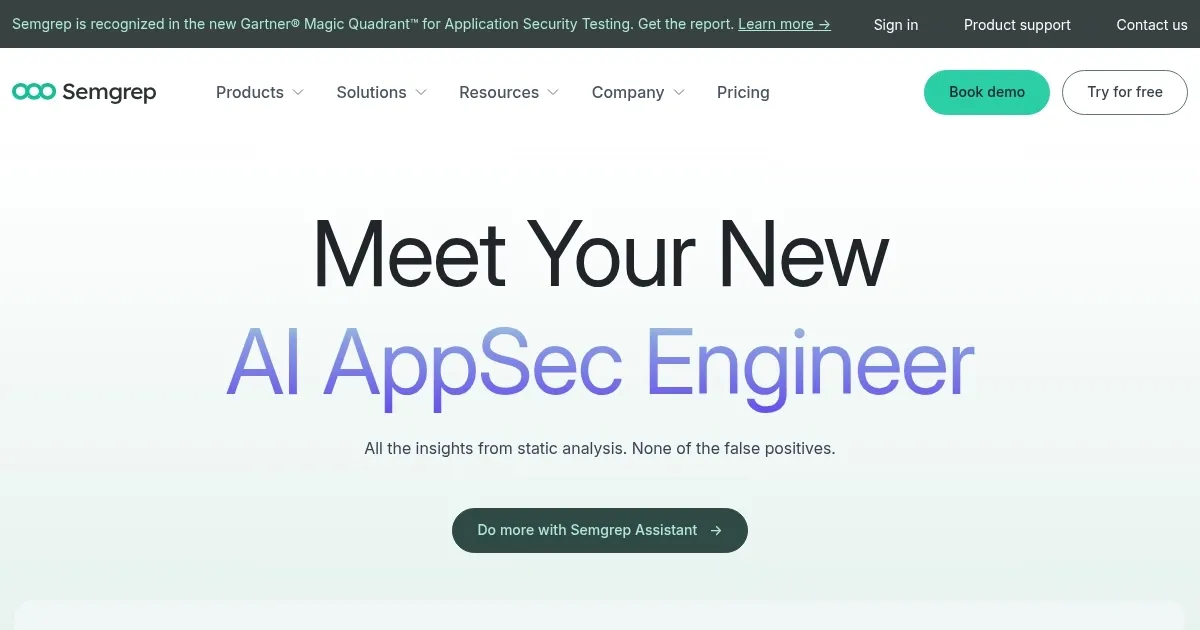
Homepage Screenshot 📸
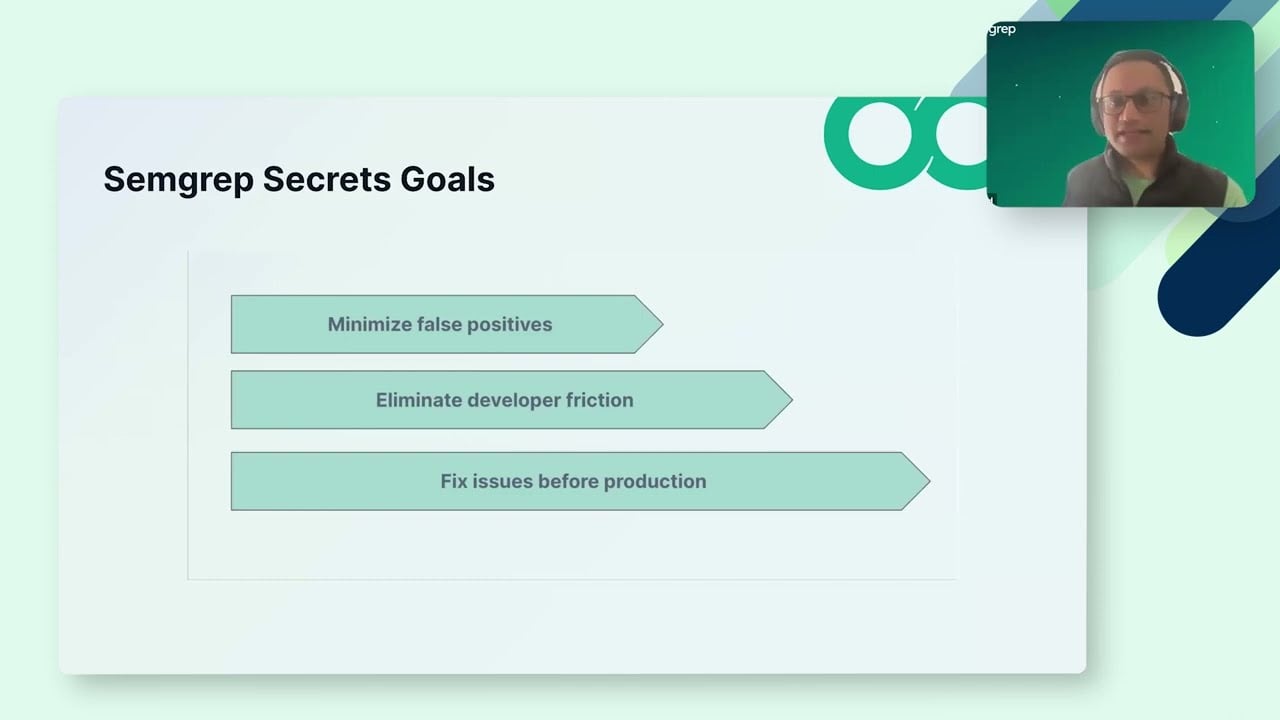
Video Overview 🎬
What are the key features? ✨
- AI-Powered Noise Filtering: Uses contextual analysis to automatically hide false positives from developers, reducing alert fatigue in SAST and SCA scans.
- Semgrep Assistant: Delivers tailored code fixes and remediation guidance, learning from user feedback to improve triage accuracy over time.
- Dataflow Reachability Analysis: Traces vulnerability paths in dependencies to cut false positives by up to 98 percent in critical issues.
- Workflow Integrations: Surfaces findings in PR comments, Jira tickets, IDEs, and Slack for seamless developer interaction.
- Fast Scanning Engine: Achieves median CI scan times of 10 seconds across 30+ languages using semantic pattern matching.
Who is it for? 🤔
Examples of what you can use it for 💡
- AppSec Engineer: Runs scheduled SAST scans in CI/CD to triage vulnerabilities early, using Assistant to auto-fix common OWASP issues before code merges.
- Developer: Receives inline PR comments on potential secrets leaks, applying one-click fixes from Semgrep Assistant without leaving their IDE.
- Security Lead: Configures custom rules for compliance checks, integrating findings into Jira to track remediation across teams.
- DevOps Specialist: Embeds SCA scans in pipelines to detect malicious dependencies, leveraging reachability analysis for accurate risk prioritization.
- AI Agent User: Integrates via MCP to scan LLM-generated code for flaws like injections, ensuring secure outputs in vibe coding workflows.
Pros & Cons ⚖️
- Fast 10s scans
- Easy rule writing
- AI auto-fixes
- Free tier limits
- Enterprise setup
FAQs 💬
Ready to try Semgrep?
Scans codebases for vulnerabilities using AI-assisted static analysis
Visit Semgrep