VibeCode
Generates native mobile apps from text prompts using AI coding models
VibeCode is an iOS app that uses AI to generate, test, and deploy native mobile apps from text prompts. It supports modes including Auto for automatic selection, Plan for step-by-step outlines, and Build for direct generation. The tool integrates AI models such as Claude Sonnet 4, GPT-5, and Claude Opus 4.1 to handle coding tasks across frontend, backend, and database layers.
Key features include live previews on the device, iterative improvements via chat, and export options to App Store using Expo. It retains context from previous sessions and supports image uploads for custom assets like icons. Technical details cover on-device processing for speed, with cloud fallback for complex computations, and compatibility requires iOS 17 or later.
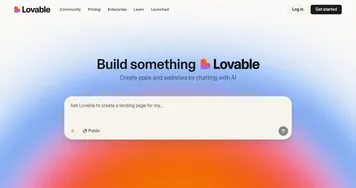
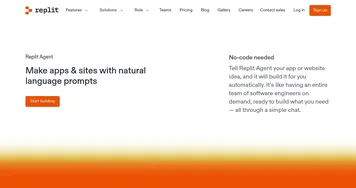
Top competitors include Lovable, which focuses on full-stack web apps but lacks mobile-native testing, and Replit, a versatile IDE better for collaborative web development yet less optimized for phone-based workflows. VibeCode uses a subscription model, generally more affordable for mobile users than Replits tiered plans.
Users appreciate the rapid prototyping for side projects and the built-in learning tools that explain generated code. It earns 4.4 stars on the App Store from over 500 reviews, with praise for ease in creating functional prototypes. Drawbacks involve occasional loops in error correction for advanced features like API integrations and limited Android support. A surprise element is its voice input for prompts, enabling hands-free development.
The platform handles authentication and databases through prompts, with options for local storage or cloud sync. Deployment involves generating Expo tokens for store submission, streamlining the process to minutes.
For practical use, begin with basic prompts in Plan mode to understand outputs, then iterate in live previews before exporting.
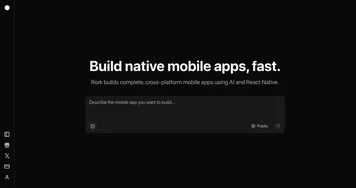
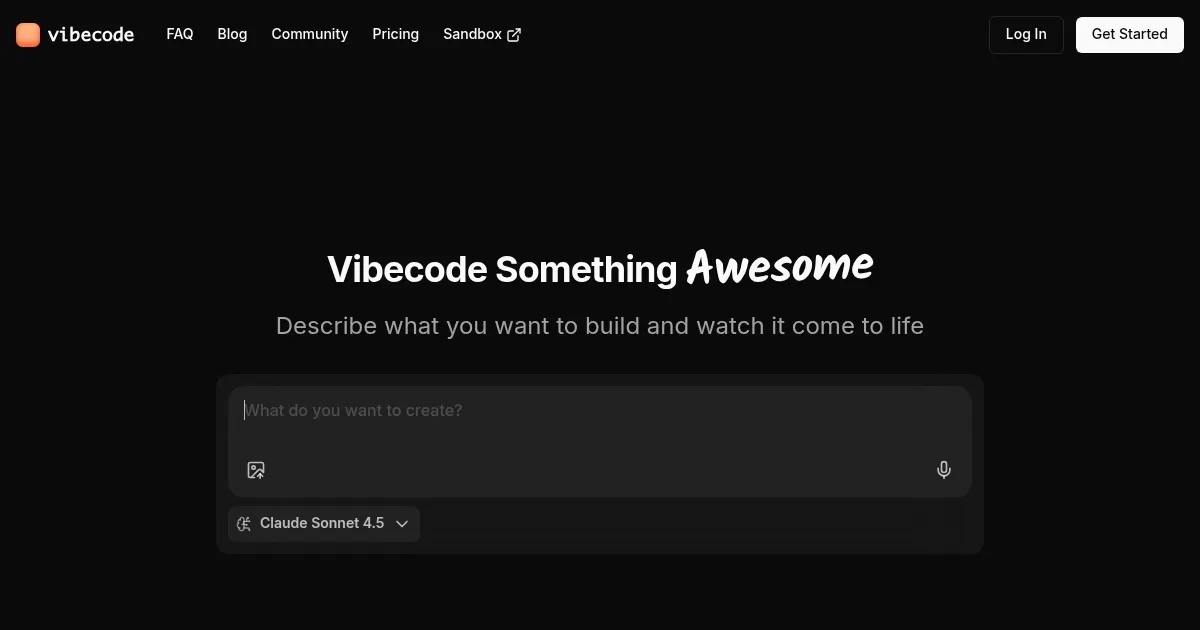
Homepage Screenshot 📸
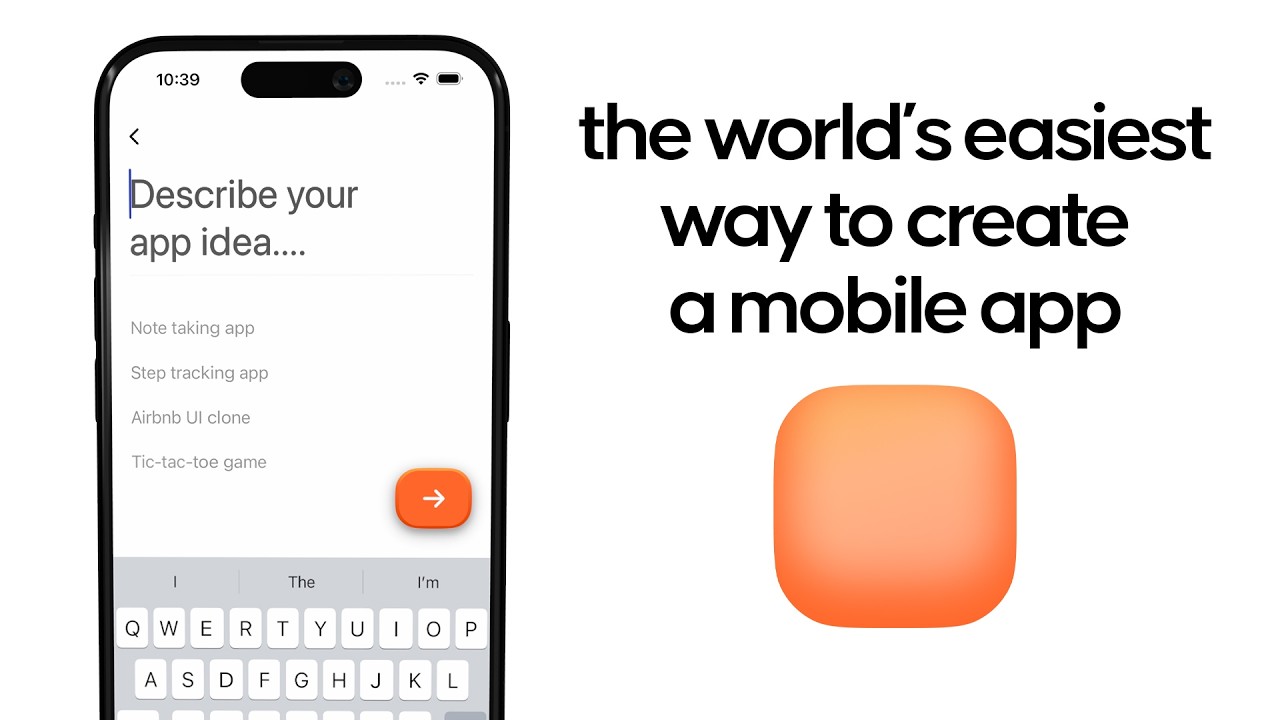
Video Overview 🎬
What are the key features? ✨
- AI Prompt Generation: Converts natural language descriptions into full native app code using models like GPT-5 and Claude Sonnet.
- Live Device Testing: Allows immediate preview and interaction with the generated app directly on the iOS device.
- Iterative Development: Supports chat-based refinements and context retention for ongoing improvements without restarting.
- Export and Deployment: Facilitates one-click exports to App Store via Expo integration for quick publishing.
- Custom Asset Upload: Enables adding user-provided images for icons, logos, or backgrounds in the app.
Who is it for? 🤔
Examples of what you can use it for 💡
- Indie Developer: Uses prompts to generate a habit-tracking app with local storage and notifications, testing iterations on their phone before App Store submission.
- Non-Technical Entrepreneur: Describes a lead magnet form that collects emails and integrates with Tally, deploying a shareable prototype to validate market interest.
- Content Creator: Builds a flashcard app for tutorials with custom images uploaded as assets, previewing and refining UI via chat for engaging mobile lessons.
- Beginner Learner: Prompts a voice note transcriber using Whisper API, learning code basics through explanations while creating a personal productivity tool.
- Side Hustler: Creates a simple game demo like a zombie survival tracker, exporting via Expo to share with potential collaborators for feedback.
Pros & Cons ⚖️
- Fast app generation
- Mobile-first workflow
- Built-in AI models
- iOS only access
- Error loop risks
FAQs 💬
Ready to try VibeCode?
Generates native mobile apps from text prompts using AI coding models
Visit VibeCode