Frequently Asked Questions
What is vibe coding?
Vibe coding is creating software by describing it in everyday language and letting an AI write the code. Instead of learning syntax, you tell the tool what you want and refine it through conversation until the app works. The term reflects coding by intent and feel rather than by manually writing every line yourself.
What are the best vibe coding tools?
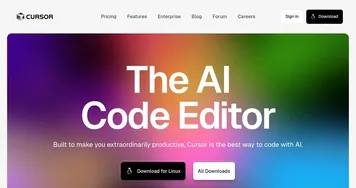
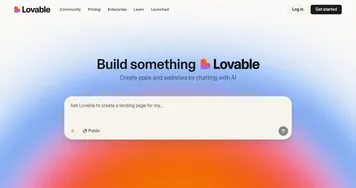
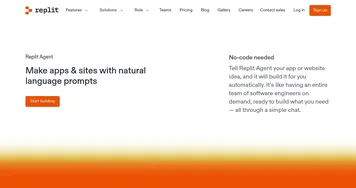
Lovable and Replit AI are popular for building full apps from prompts with little or no code, while Cursor and Windsurf bring a vibe-coding style into a real editor for people who also want to touch the code. Beginners often prefer the prompt-to-app tools; developers lean toward the editor-based ones.
Can you really build an app without coding?
Yes, vibe coding tools let you build a working app without writing code yourself, since the AI generates it from your descriptions. This works well for prototypes, simple apps, and internal tools. For complex or high-traffic products, not understanding the underlying code makes fixing bugs and handling security harder, so some technical grounding still helps.
Is vibe coding good for beginners?
Vibe coding is one of the friendliest ways for beginners to build software, because you describe ideas in plain language and see results immediately. It's a great way to learn what's possible and ship a first project. Just expect to hit walls on harder bugs, where understanding a little code, or asking the AI to explain it, becomes valuable.
Is vibe coding safe for real products?
Vibe coding can produce real products, but caution matters as stakes rise. Because the AI writes code you may not fully grasp, it's easy to ship apps with hidden bugs or security holes. For anything handling real users or data, review the generated code, test thoroughly, and check security rather than trusting the output on faith.