Synthflow
A fancy tool that helps businesses make phone calls using artificial intelligence
Synthflow is a fancy tool that helps businesses make phone calls using artificial intelligence. In other words, it lets companies set up voice assistants without writing any code.
These AI assistants can talk to customers naturally, just like a real person would — meaning that businesses can handle more calls and help customers faster.
Unlike human employees, Synthflow can work 24/7, day and night. So, if a customer calls late at night, the AI assistant is there to help. It can answer questions, set up meetings, and even connect the caller to a real person. This makes sure customers always get the help they need, no matter when they call.
Another cool feature is that Synthflow can speak many languages. This is great for businesses that have customers from different parts of the world. The AI assistant can talk to people in their own language, making them feel more comfortable and understood. Plus, it can be customized to match the style and tone of the business, so it almost feels like a natural part of the team.
Synthflow also works well with other tools that businesses use. For instance, it can connect to calendars to schedule meetings or to customer databases to get information about callers. This is meant to help the AI assistant provide better and more personalized service.
Ultimately, by using Synthflow, businesses can make their customer service more efficient and keep their customers happy.
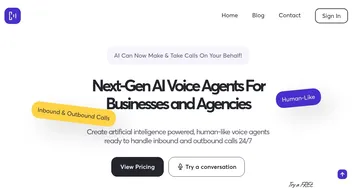
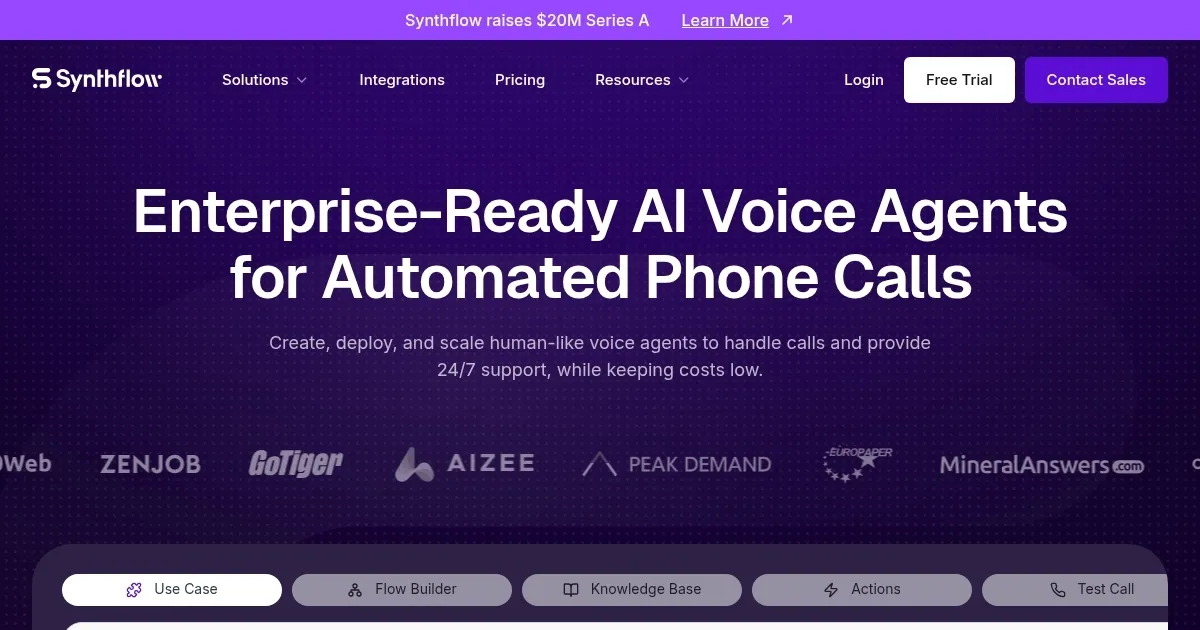
Homepage Screenshot 📸
Video Overview 🎬

What are the key features? ✨
- No-code setup: You don't need to know how to code to set up the AI assistant. Just follow simple steps to get it working.
- 24/7 availability: The AI assistant is always ready to help, day or night. This means customers can get assistance whenever they need it.
- Multilingual support: It can speak many languages, so it can help customers from different countries.
- Customizable voice & tone: You can change how the AI assistant sounds to match your business's style.
- Integration with other tools: It works well with other tools your business uses, like calendars and customer databases.
Who is it for? 🤔
Examples of what you can use it for 💡
- The AI assistant can answer common questions, helping customers quickly and freeing up human agents for more complex issues
- It can set up meetings or appointments by checking available times and adding them to calendars
- The assistant can talk to potential customers to find out if they're interested in your products or services
- Customers can place orders over the phone, and the AI assistant can handle the details
- The assistant can call customers to gather their opinions, helping your business understand what it's doing well and where it can improve
Pros & Cons ⚖️
- Easy to use without requiring technical skills
- The assistant is always available to ensure customers can get help at any time
- Natural conversations, which means it can talk to customers in a way that feels human
- While it's good at handling many tasks, some customers might prefer speaking with a real person
Ready to try Synthflow?
A fancy tool that helps businesses make phone calls using artificial intelligence
Visit SynthflowSynthflow alternatives 🔗