
Best AI Detection Tools
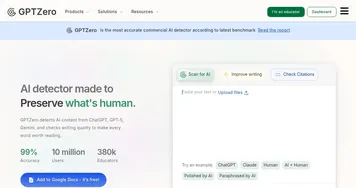
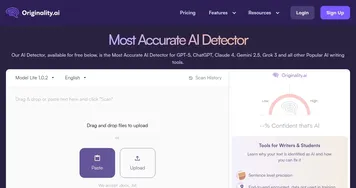
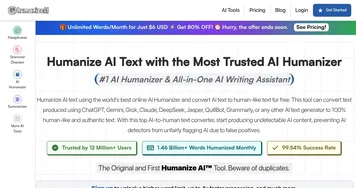
AI detection tools try to tell whether text was written by a machine or a person, and some also flag plagiarism, manipulated images, or deepfakes. They scan content for the statistical patterns typical of AI output and return a likelihood score. Common ones include GPTZero, ZeroGPT, and Turnitin for academic checks, plus Undetectable.ai on the rewriting side, all built around a single, imperfect signal.
Teachers, editors, and publishers use these to screen submissions, while writers use them to check their own work before handing it in. The honest catch is that no detector is reliable: they produce false positives on genuine human writing and miss lightly edited AI text, so a score is a hint, not proof. Use them as one input among several, and never let a single percentage decide something that matters.
What can tools for AI detection do?
It is kinda of self-explanatory what these tools are all about, but let us go into more detail, shall we? They could be used for:-
Detecting deep fake media
It's not just text that AI detection tools could "handle" - they could also be used for identifying manipulated videos and images where the face or voice of a person has been replaced by another. -
Content verification
These tools can verify the authenticity of text, images, or videos shared online. This is especially important for journalists, content creators, and social media platforms to ensure the information they share or promote is unique. -
Preventing misinformation
Although this capability should kill the "fake news" phenomenon, we know it won't happen, with conspiracy theorists arguing that it's "another proof someone's hiding something." You know how it goes... -
Protecting intellectual property
AI detection tools can help identify unauthorized use of copyrighted content, including images, videos, or text.