Frequently Asked Questions
What is the difference between rewriting and paraphrasing?
Rewriting reshapes text to make it better: tighter, clearer, or set in a different tone, and it may cut or reorder ideas. Paraphrasing restates the same meaning in different words without trying to improve it, usually to avoid repetition or duplication. Rewriting changes the quality; paraphrasing mainly changes the wording.
What is the best AI rewriting tool?
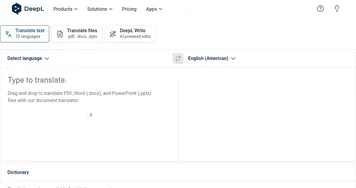
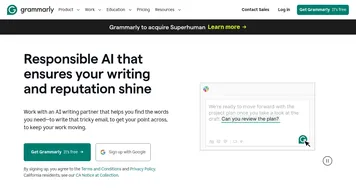
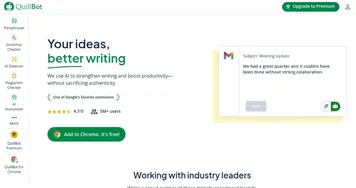
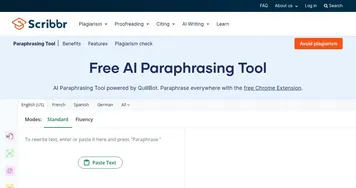
The best AI rewriting tool depends on your goal. QuillBot offers flexible modes for tone and length, Grammarly rewrites while catching errors, and DeepL rewrites and translates in one step. For academic work, Scribbr keeps an appropriately formal register. Testing the same paragraph in a couple of them shows which style suits you.
Are AI rewriting tools free?
Most AI rewriting tools have a free tier that handles short passages, then charge a monthly fee for longer text and extra modes. Free versions often cap the word count per rewrite and limit the tone options. For occasional cleanups the free plan is plenty; heavy users tend to upgrade for the higher limits.
Will an AI rewriter change my meaning?
An AI rewriter usually keeps your meaning, but an aggressive rewrite can shift emphasis or drop a nuance you cared about. The tool optimizes for smoother prose, not for your exact intent, so always reread the result against your original. Conservative modes that make smaller edits reduce the risk of meaning drift.
Can AI rewriting help non-native English writers?
AI rewriting helps non-native English writers a lot, smoothing awkward phrasing and fixing idiom while preserving the point you're making. It turns understandable but stiff sentences into natural-sounding ones. The catch is that it can over-formalize casual writing, so review the rewrite to make sure it still sounds like something you'd say.